Category: Uncategorized

  • Integrating Specialty Valves in Complex Fluid Systems

    Integrating Specialty Valves in Complex Fluid Systems

    Modern industrial equipment depends on precise fluid control, but choosing the right valve involves more than matching pressure ratings or connection sizes. When integrating specialty valves into complex fluid systems, the decisions you make influence long-term performance. A valve that fits the application supports smooth operation under demanding conditions, while the wrong choice creates challenges throughout the entire system. With a better understanding of what separates specialized valves from standard options, you can make more informed decisions for complex industrial processes.

    Why System Complexity Changes Everything

    If your system handles compressed gases or hydraulic media, you need to think beyond simple flow control. Every operating condition affects valve performance. Consequently, selecting a valve based on a single specification rarely delivers the best long-term outcome.

    You should also consider how each valve interacts with surrounding equipment rather than viewing it as a standalone component. Pumps, regulators, sensors, actuators, and control systems all influence operating conditions throughout the process. Looking at the complete system gives you a clearer picture of where reliability begins and where potential issues may develop.

    Electronic Valve Control

    A hand pressing a button on a blue digital pump controller with a round pressure gauge and connected pipes.

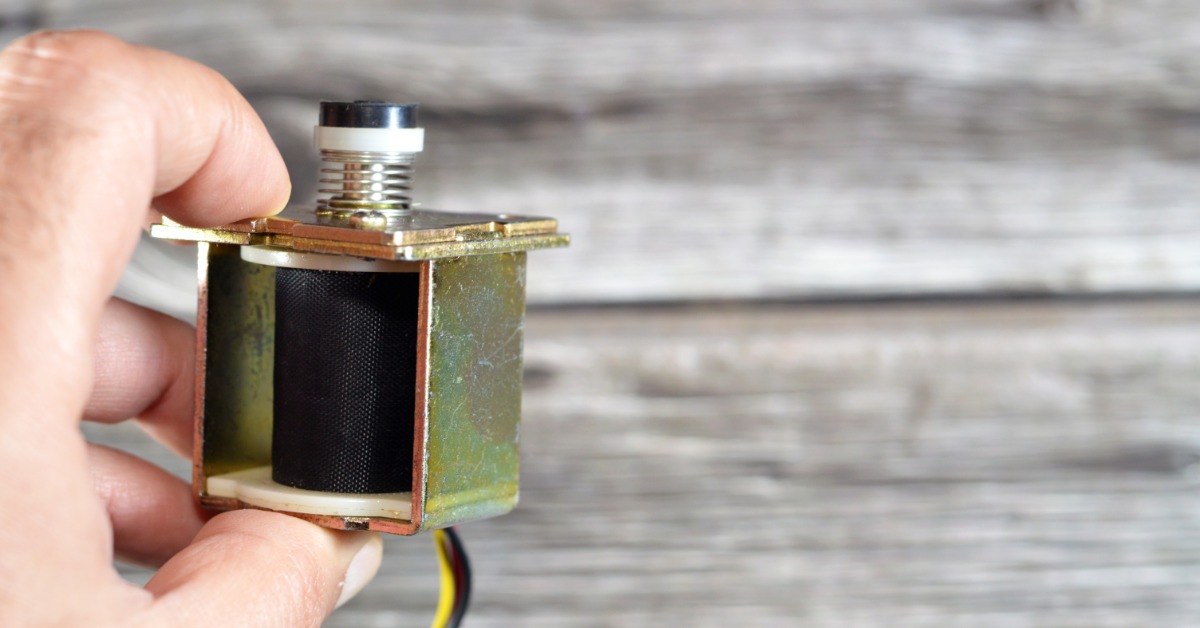
    Many automated processes rely on electronic solenoid valves to open or close fluid flow through an electrically energized coil. When power activates the solenoid, it moves an internal plunger that changes the valve position quickly and with consistent repeatability. Because control systems can integrate these valves into automated sequences, operators gain precise control without relying on manual intervention.

    Automation also improves process consistency across applications that require repeated cycling throughout the day. Instead of depending on constant operator input, the system responds according to programmed commands and sensor feedback. That level of repeatability supports stable operation while simplifying overall process management.

    Valve Response Time

    If your process depends on precise timing, valve response speed deserves careful attention during system planning. A slight delay between a control signal and valve movement may affect synchronization with pumps or downstream equipment. Keeping response characteristics consistent helps maintain predictable operation throughout the process.

    Match Valve Performance

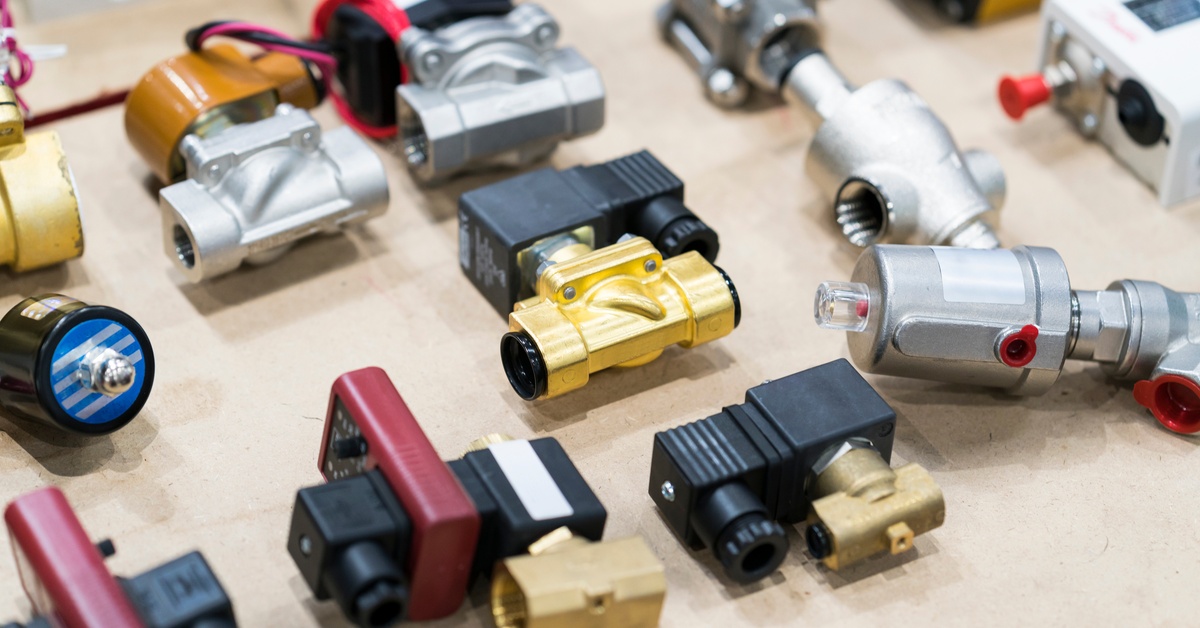
    As you evaluate available options, remember that specialty valves support complex fluid systems because engineers tailor them for demanding operating environments rather than general-purpose service. Material selection, sealing methods, and actuation style all influence long-term reliability. Paying attention to these details early helps you avoid unnecessary troubleshooting later.

    Before making a final selection, keep these performance factors in mind:

    • Confirm that all wetted materials remain compatible with the process media
    • Evaluate expected operating pressure throughout the entire duty cycle
    • Consider response speed if the process depends on rapid valve actuation
    • Review temperature limits under both normal and abnormal operating conditions
    • Account for maintenance accessibility before installation begins

    Coordinate With Control Systems

    Modern control platforms rely on accurate communication between field devices and automated equipment. When valve response stays consistent, operators receive reliable feedback that supports better process adjustments during changing operating conditions. That consistency becomes especially valuable in applications where small timing differences influence overall system stability.

    Installation Influences Results

    Selecting the right valve marks only the beginning of the process. You also need to install it in the correct orientation, connect it with compatible fittings, and verify that supporting equipment meets the manufacturer’s specifications. Small installation mistakes may create unnecessary wear that reduces performance over time.

    Every system benefits from careful commissioning before full operation begins. Functional testing allows you to verify response times and confirm that pressure levels remain within acceptable limits. Taking the time to validate performance early helps prevent interruptions after production ramps up.

    Pay Attention to Flow Direction

    You should always verify the intended flow direction before installing a valve. Internal components rely on proper flow paths to seal correctly and respond as expected during operation. Reviewing installation documentation saves valuable troubleshooting time later.

    Plan for Maintenance

    Two workers in hard hats using a laptop beside electrical control panels in an industrial control room.

    Reliable systems depend on routine inspections rather than waiting for visible problems to appear. You gain a better understanding of valve condition when you monitor operating trends and review cycle counts as part of regular maintenance. That proactive approach supports dependable performance throughout the equipment’s service life.

    As you build a maintenance program, focus on these practical inspection points:

    • Inspecting external seals for signs of wear or leakage
    • Verifying electrical connections remain clean and secure
    • Monitoring operating pressure for unexpected changes
    • Replacing worn sealing components according to service recommendations
    • Documenting maintenance history to identify recurring issues

    Prevent Unexpected Downtime

    Routine inspections allow you to identify gradual changes. A slight increase in response time or a small pressure variation may indicate that maintenance should occur sooner rather than later. Addressing those observations promptly helps keep the entire fluid system operating smoothly.

    Consider Future System Expansion

    You may build a system for today’s production goals, but future requirements can change surprisingly quickly. Planning for additional capacity during the design phase makes later upgrades easier while reducing the need for extensive piping modifications. Thinking ahead also gives you greater flexibility if operating conditions evolve or production demands increase.

    Build With Flexibility

    Engineers frequently leave room for instrumentation, additional control points, or replacement components that support future process improvements. That approach simplifies maintenance planning and reduces disruption when equipment changes are necessary. Looking beyond immediate requirements helps your fluid system remain practical and adaptable throughout its service life.

    Industry Applications

    You will find specialty valves in industries where demanding operating conditions leave little room for error. Aerospace programs rely on precise fluid control during testing and ground support, while power generation facilities depend on dependable valve operation within fuel and utility systems. Likewise, oil and gas operations, marine environments, cryogenic applications, and industrial research facilities all require components that perform consistently under challenging conditions.

    Every application brings unique operating demands, so engineers rarely rely on a one-size-fits-all approach when selecting valves. They begin by looking at the full operating environment and then choose a valve that aligns with the system’s performance requirements. That careful process supports dependable operation across many industrial settings.

    If you’re evaluating valve options for a demanding application, working with an experienced manufacturer such as Clark Cooper provides valuable technical insight into high-pressure and specialized fluid control solutions. Reach out to discuss your application and find the right fit for your operating requirements with confidence.

  • Why Pressure Rating Is Critical for High-Pressure Valves

    Why Pressure Rating Is Critical for High-Pressure Valves

    High-pressure valves operate under forces that can quickly expose weaknesses. A pressure rating indicates whether a valve can withstand those forces without compromising containment or reliable operation. When engineers match that rating to the actual system, they protect both the valve and the equipment around it. That connection explains why pressure rating is critical for high-pressure valves.

    (more…)
  • How To Test a Solenoid Valve [A Step-by-Step Guide]

    How To Test a Solenoid Valve [A Step-by-Step Guide]

    Solenoid valves help systems control the flow of fluids or gases with an electrical signal. When a valve fails to open or close at the right time, the larger system can lose pressure control. A thorough test process helps maintenance teams identify the source of the problem before replacing parts that still work. Here are the steps for testing a solenoid valve.

    Step 1: Confirm the Valve Information

    Start by checking the valve nameplate or product documentation. The voltage rating shows how much power the coil needs to operate correctly. The pressure rating helps confirm whether the valve fits the system conditions, while the valve type explains how the valve should respond during testing.

    Reviewing the valve information gives the test process a clear starting point. When a technician uses the wrong specifications, the test can point in the wrong direction. The wrong voltage can make a working valve appear faulty or mask the real issue elsewhere in the system.

    Step 2: Shut Down the System Safely

    Before testing begins, make sure the valve area is safe to handle. Turn off the power source and follow the site lockout process before working near electrical connections. Relieve line pressure before loosening fittings or removing the valve from service.

    A solenoid valve can remain under pressure after the equipment stops running, so give the system time to settle before opening any part of the line. This extra precaution helps protect the technician and keeps the inspection process controlled from the start.

    Step 3: Inspect the Valve Body and Coil

    Look over the valve body for damage, then check the connection points for signs of leakage. If the coil housing shows cracks or heat marks, the valve may have an electrical issue that needs attention before testing continues.

    Give the wiring the same careful review because loose leads can interrupt power to the coil. A damaged connector can make the valve appear to have failed, even when the internal parts still work. This early inspection helps narrow the issue before you begin taking measurements.

    Step 4: Check the Electrical Supply

    Use a multimeter to confirm that the supply voltage matches the rating on the coil. When the voltage falls outside that range, the coil may not have enough force to move the plunger correctly. This reading helps you decide whether the issue starts with the valve or with the power feeding it.

    A weak supply can make the valve chatter or respond slowly, even when the valve itself can still function. Check the control circuit before replacing the valve so the repair matches the actual problem. That extra step can prevent an unnecessary replacement and keep the troubleshooting process focused.

    An industrial machine panel with rollers, pneumatic valves, blue tubes, red cables, and mounted connectors.

    Step 5: Measure Coil Resistance

    Another step in testing a solenoid valve is listening for it to actuate. Restore power only when the valve area is ready for a live test. As the valve energizes, a firm click from the coil area can show that the coil has moved the plunger.

    A missing click gives you a reason to keep troubleshooting, not a reason to replace the valve right away. The coil may not receive the correct voltage, or buildup may restrict plunger movement. Compare what you hear with the voltage reading so the test points to the real issue.

    Step 6: Listen for Actuation

    Restore power only when the valve area is ready for a live test. As the valve energizes, listen for a firm click from the coil area. That sound indicates the coil has generated enough force to move the plunger.

    If you do not hear a click, keep troubleshooting before you blame the valve. The coil may not receive the right voltage, or buildup may keep the plunger from moving freely. Compare what you hear with the voltage reading so that the test points to the real issue.

    Step 7: Watch the Valve Response

    Watch how the valve responds when the control signal changes. The valve should shift cleanly into the correct position for its design, then hold that position without delay. If the system does not show the expected change in flow, compare the response with the valve type before moving to the next test.

    A slow or uneven response can point to a problem inside the valve. Dirt may restrict movement, or the coil may not create enough force to shift the plunger. If the valve changes position but still leaks, the seat may need closer inspection.

    Step 8: Review Pressure Conditions

    A valve may test well on the bench but struggle under real pressure. Check the inlet pressure against the valve rating before judging performance. If the design depends on pressure assistance, confirm that the system provides enough pressure differential for proper operation.

    Pressure problems can look like valve failure because the system response may change in a similar way. Excess pressure can keep internal parts from moving as intended. Low pressure can also reduce the force needed for the valve to shift during operation.

    Step 9: Check for Debris Inside the Valve

    If the electrical checks look normal, inspect the internal flow path next, provided the manufacturer allows service. Debris near the seat can keep the valve from sealing correctly, while buildup around the plunger can interfere with smooth movement during operation. A clean internal path helps the valve respond the way the electrical test suggests it should.

    Handle the internal inspection carefully, as small parts require proper placement during reassembly. Follow the valve documentation closely so the plunger moves freely after inspection. Contact the manufacturer before opening a custom-designed valve.

    Step 10: Test the Valve Under Real Operating Conditions

    A final test should show how the valve performs in the actual system. Run the normal operating sequence and watch the valve response as the control signal changes. The valve should move cleanly without chatter or delayed action.

    Real operating conditions can reveal problems that a simple bench test may miss. Temperature changes can affect coil heat, while pressure changes can affect movement inside the valve. When the valve performs well during this final check, the team can return the equipment to service with more confidence.

    Know When To Replace the Valve

    A failed test does not always mean the valve needs replacement. If the test indicates a wiring issue, an electrical repair may resolve the problem. If debris prevents normal movement, careful cleaning may restore valve function.

    Use the test results to decide whether repair or replacement makes more sense. Replace the coil when testing confirms a coil failure, but consider a full valve replacement if internal wear prevents a tight seal after cleaning. A properly matched replacement helps protect the larger system from repeat trouble.

    Work With Clark Cooper for Solenoid Valve Support

    Testing works best when technicians understand both the electrical and mechanical sides of the valve. Clark Cooper is a solenoid valve manufacturer that makes reliable valves that work for demanding applications. A careful process helps teams avoid unnecessary replacement while keeping critical systems running as intended.

  • Preparing Your Valve Systems for Long-Term Sea Deployment

    Preparing Your Valve Systems for Long-Term Sea Deployment

    Sea deployment exposes valve systems to harsh operating conditions for extended periods. Salt exposure and moisture can turn small issues into larger performance problems once the system leaves shore.

    (more…)
  • All About Integrating Specialty Valves Into OEM Equipment

    All About Integrating Specialty Valves Into OEM Equipment

    Original Equipment Manufacturer (OEM) components depend on parts that fit the system from the start. A valve may look like a single component, but it can shape how the equipment handles pressure and controls. When the valve does not match the design, the whole machine can lose efficiency or require extra service. That is why engineering teams need a clear plan for integrating specialty valves into OEM equipment.

    (more…)
  • Considerations When Picking a High-Pressure Solenoid Valves

    Considerations When Picking a High-Pressure Solenoid Valves

    A high-pressure solenoid valve has to do more than open and close on command. It needs to handle the force along the line while ensuring safe operation at every cycle. The right choice depends on how the valve will function in the real system, not just how it looks on a spec sheet. Here are the considerations when picking high-pressure solenoid valves.

    (more…)
  • How To Prepare for a Large-Scale Solenoid Valve Installation

    How To Prepare for a Large-Scale Solenoid Valve Installation

    Large-scale solenoid valve installations require careful planning, especially in industries where pressure, precision, and reliability are critical. Engineers and project managers must align system requirements, component selection, and installation logistics before any equipment arrives on-site. This guide outlines how to prepare for a large-scale solenoid valve installation, so systems operate as intended from day one.

    (more…)
  • Selecting Emergency Valves for Petrochemical Facilities

    Selecting Emergency Valves for Petrochemical Facilities

    Petrochemical facilities operate in environments where pressure, temperature, and hazardous media create constant risk. When something goes wrong, systems must respond immediately to prevent damage, protect personnel, and maintain compliance. Emergency valves play a critical role in that response by isolating flow and shutting down processes in seconds.

    (more…)
  • Maintaining Solenoid Valves in Marine Environments

    Maintaining Solenoid Valves in Marine Environments

    Marine environments create a demanding operating space for industrial equipment. Constant exposure to saltwater, high humidity, pressure fluctuations, and ongoing vibration accelerates wear across system components.

    (more…)
  • High-Pressure Solenoid Valve Innovations & Trends in 2026

    High-Pressure Solenoid Valve Innovations & Trends in 2026

    Industries that operate under extreme pressure conditions depend on precise, durable components to maintain safe and efficient systems. Engineers must account for pressure fluctuations, temperature extremes, and demanding duty cycles when selecting components that can perform reliably over time. Below, we’ve detailed the high-pressure valve innovations and trends of 2026.

    (more…)