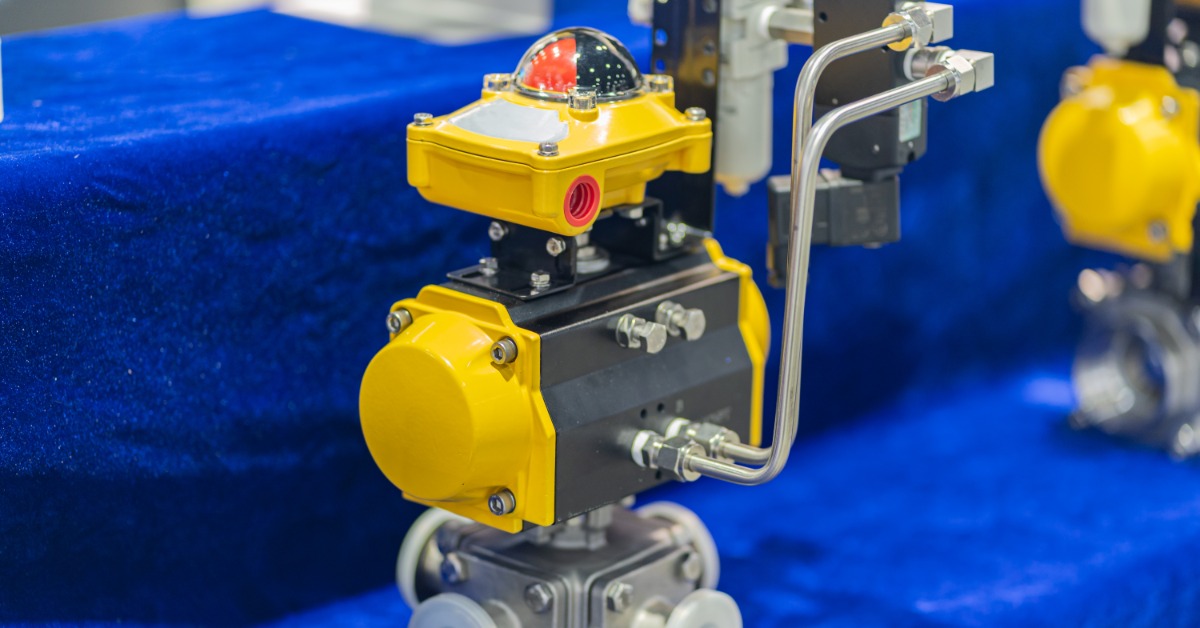
You probably don’t give much thought to the small electromechanical devices that start, stop, or redirect fluid inside industrial equipment. However, their development reflects decades of work aimed at making automated flow control faster and more dependable. A brief history of the rotary solenoid valve shows how engineers adapted electromagnetic motion to solve increasingly specialized control problems. That story begins with the broader rise of electrically operated valves in the early twentieth century.
Early Electrical Flow Control
Engineers had already spent decades studying electromagnetism when commercial solenoid valves appeared. In 1910, ASCO introduced an electrically operated control device identified as a solenoid valve, giving operators a practical way to control fluid flow through an electrical signal. Instead of relying entirely on manual operation, equipment could respond directly to an electrical control circuit.
If you work with a conventional solenoid valve today, you’ll recognize the basic principle behind those early designs. The current that passes through a coil creates a magnetic field that moves an armature, which then changes the valve’s position. Modern materials and manufacturing have refined that process, but electromagnetic actuation remains at its core.
Linear Solenoids Take Hold
Early solenoid mechanisms generally relied on straight-line armature movement. When you energize this type of actuator, the magnetic force pulls or pushes a component along an axis rather than turning it around one. That motion works well for many valve arrangements because the actuator can move a plunger directly toward or away from a seat. As engineers encountered different mechanical demands, however, they began exploring ways to convert electromagnetic force into controlled rotation.
Rotation Changes the Motion
An important moment in the history of the valve was the introduction of the rotary solenoids themselves. George H. Leland developed an important rotary-solenoid concept during the 1940s, and later patents referenced his earlier work while engineers continued refining rotary mechanisms. Rather than limiting movement to an axial stroke, these devices produced angular movement when energized. That distinction opened another path for equipment that needed a component to turn through a short, controlled arc.
Wartime Engineering Shapes Rotation

Military engineering helped push rotary-solenoid development during the 1940s because equipment exposed to shock or vibration placed demanding requirements on electromechanical components. Rotary actuation provided engineers with a reliable method for achieving movement in harsh conditions. Later patents continued to address concerns such as load control and unwanted movement at the end of a rotary stroke.
Several developments from this period helped establish rotary actuation as a practical engineering approach, such as:
- Engineers using electromagnetic force to create controlled angular movement
- Balanced configurations addressing demanding shock and vibration conditions
- Short rotary strokes offering an alternative to straight-line actuation
- Mechanical stops helping control the limits of angular travel
- Continued patent activity refining rotary-solenoid construction after World War II
Rotary Motion Reaches Valves
Once engineers developed reliable rotary electromagnetic actuators, they could apply that turning motion to valve operation. A patent with priority dating to 1957 describes a rotary solenoid connected to a balanced rotary valve used in pneumatic equipment. When energized, the solenoid turned the valve’s rotor and armature together through about 45 degrees. That short rotation changed the internal flow path, allowing the valve to direct compressed air where the system needed it.
You can think of rotary valves as valves that regulate or redirect flow through the angular movement of an internal member rather than relying strictly on a straight-moving plunger. In a solenoid-operated configuration, electromagnetic force provides the movement needed to change that member’s position. This arrangement gives engineers another way to match actuator movement with the geometry of the flow-control element.
Why Rotary Valve Action Helped
If you compare rotary movement with a longer linear stroke, you’ll notice that the actuator approaches the job differently. A compact angular movement may suit equipment where space near the controlled device is limited. One 1960s patent described a rotary solenoid valve arrangement intended for portable welding equipment and emphasized rapid operation from moving parts with low rotational inertia. The same patent explained that mounting the valve close to the pneumatic device could reduce unnecessary compressed-air volume in connecting hoses.
Industrial Designs Keep Evolving
Rotary solenoid technology didn’t stop with one configuration. Patents through the 1950s and 1960s document attempts to improve shock resistance, simplify manufacturing, control the rotation angle, and refine electromagnetic performance. Those records show you an engineering concept adapting as designers would encounter new operating requirements.
Several themes appeared as rotary designs matured, including:
- Balanced moving parts that addressed vibration-sensitive applications
- Adjustable stops that provided engineers with greater control over angular travel
- Revised pole geometry that changed the actuator’s torque characteristics
- Compact assemblies that supported applications with limited installation space
- New constructions that made rotary mechanisms practical for additional equipment
What Its History Shows
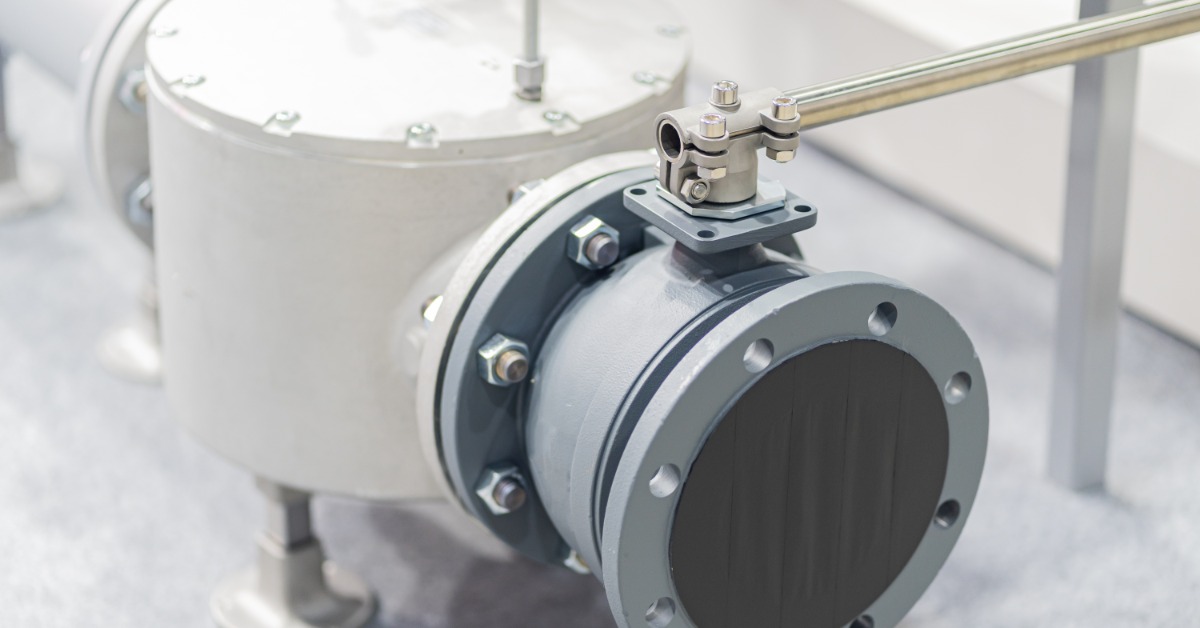
Considering these developments collectively, it’s evident that the rotary solenoid valve resulted from a series of advancements rather than a single breakthrough. Engineers first established reliable electrical valve actuation, then developed electromagnetic mechanisms that could produce controlled rotary movement. Valve designers subsequently applied that motion where an internal rotor or similar component could regulate the fluid path.
That history also explains why you shouldn’t treat every solenoid-operated valve as mechanically identical. Some applications suit direct linear motion, while another system may benefit from a rotary arrangement. The best approach depends on what the valve needs to accomplish once the coil receives an electrical signal.
Where Rotary Designs Fit
When you evaluate a rotary configuration, focus on the relationship between the actuator and the valve element rather than the word “solenoid” alone. The coil creates magnetic force, but the internal mechanism determines the motion that ultimately changes fluid flow. Rotary movement can provide a compact way to shift a valve member through a defined angle. Therefore, understanding the actuator’s movement helps you interpret specifications and compare valve architectures more accurately.
Industrial valve technology continues to advance, but many modern concepts make more sense once you trace the engineering work behind them. The rotary solenoid valve grew from decades of experimentation with electromagnetism, mechanical motion, and practical fluid control rather than appearing as a single finished invention.
Clark Cooper applies its experience with solenoid valves to demanding industrial applications where engineers need carefully selected flow-control equipment. If you’re evaluating a solenoid valve for a specialized system, contact us to discuss the operating requirements and identify an appropriate solution.
Leave a Reply