
When an operating condition changes suddenly, you may need to redirect fluid before the situation creates a larger problem. Diverting valves redirect flow when an emergency condition requires the system to use a different route. In marine and industrial systems, this response may protect equipment or route process media toward a safer destination. Knowing what happens during that response makes it easier to understand why engineers specify these valves for demanding applications.
Redirect Flow During Emergencies
An emergency diverting valve provides another path for process fluid when the system receives a trip signal. Instead of simply stopping flow, you can use a three-way configuration to redirect the media to a designated part of the system, such as a recirculation line or tank. This controlled change gives the system a defined route for the fluid during an emergency.
That distinction becomes important when shutting a line doesn’t provide the response the application needs. If the process fluid must continue moving, diversion gives you a controlled alternate route. Therefore, engineers can incorporate the valve into a broader emergency response strategy based on the needs of the system.
Respond to Different Trip Signals

You may encounter several ways to initiate an emergency diversion, depending on the equipment and operating conditions. A valve may respond to an electrical signal, a loss of power, or another specified trigger built into the system. After the emergency passes, some configurations require a manual reset before normal operation resumes.
In other words, emergency diverting valves are used for responding to a defined trip condition by immediately changing the flow path. Different trip methods let engineers match the valve’s response to the event that the system needs to address. A valve selected for loss-of-power operation, for example, serves a different control strategy than one triggered by a separate electrical signal.
Recognize Common Valve Features
When you review an emergency diverting valve, look beyond the basic three-way flow arrangement. The actuation method and reset requirements tell you a great deal about the valve’s role during an abnormal event. You’ll also need to confirm that the construction suits the process medium and operating environment.
Several characteristics commonly associated with these emergency configurations deserve attention:
- Three-way construction redirects media to an alternate flow path
- Trip mechanisms react to a specified emergency condition
- Spring action can move the valve into its trip position
- Manual resetting restores applicable trip configurations after activation
- Position switches may provide valve-position indication as an option
Support for Marine Systems
Marine systems can expose valves to demanding operating conditions, so you need to consider the requirements of the specific installation carefully. Emergency diverting valves may serve shipboard systems that need to redirect fluid when operating conditions change. In these applications, the valve configuration must match the required flow path and response.
If you’re evaluating marine valve suppliers, prioritize companies that provide valves suitable for shipboard fluid-control applications and the requirements associated with those systems. You should compare the valve configuration against the actual service conditions. Material compatibility and required qualifications still depend on the application.
Manage Bilge Water Routing
If you work with oily-water separation equipment, a three-way diverting valve can help you manage flow when oil content reaches the system’s specified limit. At that point, the valve can redirect the water back to the bilge for recirculation instead of allowing it to continue along the overboard route. This gives you a controlled way to respond when the monitored water doesn’t meet the required discharge conditions.
This example illustrates the broader purpose of emergency diversion clearly. You aren’t simply closing a pipe and leaving the fluid with nowhere to go. Instead, the system directs the media toward a predefined destination that supports the required response to the detected condition.
Handle Challenging Process Media
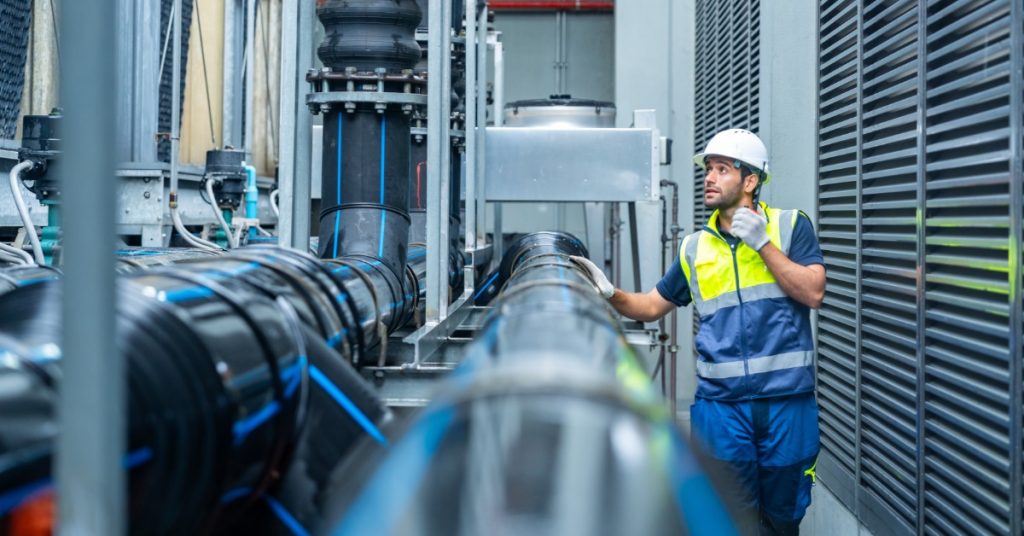
Emergency service doesn’t eliminate the typical demands placed on a valve by the process medium. You still need to consider the fluid’s properties and its interaction with the valve’s internal components. Demanding applications may involve corrosive, contaminated, viscous, cryogenic, or high-temperature media, each of which affects valve selection.
Material selection deserves close attention because wetted components interact directly with the process fluid. Available valve materials vary by configuration, so you should verify compatibility against the actual medium and operating conditions. A suitable emergency action won’t compensate for materials that don’t fit the service.
Select the Right Configuration
Start valve selection with the system response you need rather than with a generic valve category. You’ll want to know where the media must go after a trip and what event should initiate that movement. After that, you can evaluate operating pressure and other application-specific requirements against manufacturer specifications.
Several actions can help you narrow the configuration without losing sight of the emergency function:
- Identifying the required normal and diverted flow paths
- Confirming which condition should trigger the valve
- Checking the required pressure rating for the application
- Verifying wetted-material compatibility with the process medium
- Reviewing reset requirements before establishing operating procedures
Plan for Manual Reset
A manual-reset requirement changes what happens after the valve responds to an emergency. Instead of returning to its normal operating state automatically, the valve requires personnel to reset it after the triggering condition has cleared. This extra step gives operators a chance to assess the system before restoring the normal flow path.
As a result, operating procedures should account for the valve’s post-trip state. Personnel need to verify that the triggering condition has cleared before resetting equipment according to the applicable procedure. This deliberate action allows the operator to assess the situation before normal flow resumes.
Maintain Reliable Emergency Operation
Once you place a diverting valve into emergency service, regular inspection and testing help you keep it ready to respond when needed. Follow an established test plan that includes functional checks and routine inspections based on the valve’s operating conditions. During these checks, watch for blockage, corrosion, material fatigue, or process-related wear that could affect valve performance.
You should base inspection practices on the valve manufacturer’s documentation and the requirements of the complete system. An emergency valve provides value only when it responds as intended under the conditions specified for the application. Therefore, maintenance planning should reflect the valve’s actual service environment rather than relying on assumptions about emergency equipment.
Clark Cooper manufactures highly engineered valve solutions for demanding industrial and marine applications, including three-way and emergency trip configurations that engineers can evaluate against specific operating requirements. If you’re selecting a valve for an emergency diversion application, contact Clark Cooper to discuss the operating conditions your system requires.
Leave a Reply