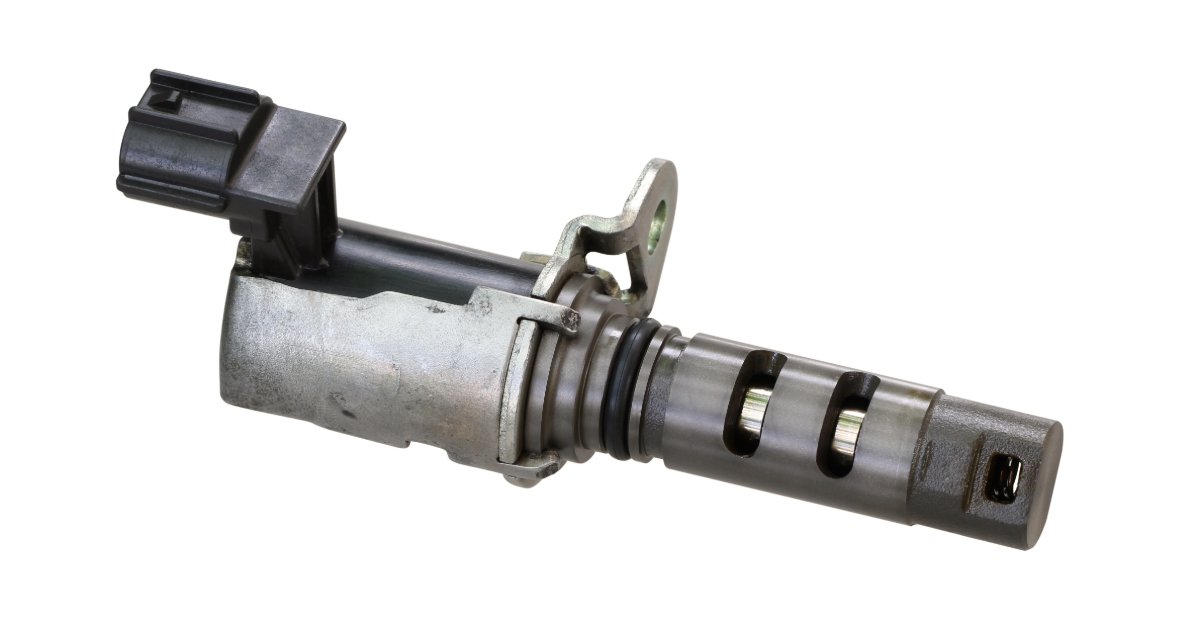
Modern engines adjust valve timing while you drive, and a small electromechanical valve helps make that possible in many systems. This complete guide to variable valve timing solenoids explains what the component does, why engine oil plays such a central role, and what you should pay attention to when performance changes.
You don’t need to be an engine specialist to understand the basic relationship between the solenoid and camshaft timing. Once that relationship is clear, diagnosing problems and making informed maintenance decisions becomes much easier.
The Purpose of VVT Solenoids
As your engine changes camshaft timing, it can better match valve operation to current driving conditions. In many VVT systems, the engine computer signals the solenoid to meter pressurized oil within the timing system. That oil pressure then acts on the cam phaser, which changes the camshaft’s position as driving conditions vary.
The solenoid serves as the hydraulic control point in this process. Its internal valve shifts in response to electrical input, changing the route oil takes through the system. That change in oil pressure influences cam phaser movement without requiring the solenoid itself to rotate the camshaft.
Solenoid Versus Cam Phaser

It helps to distinguish between these two components when you’re diagnosing a VVT problem. The solenoid manages oil flow, while the cam phaser uses that hydraulic pressure to alter camshaft position.
A fault in either component may affect commanded valve timing, so replacing one part without proper diagnosis may leave the original problem unresolved. Your vehicle’s service information should guide testing and repairs because VVT layouts and control strategies differ by engine.
Inside Solenoid Operation
Inside the solenoid, electrical energy creates the magnetic force needed to move an internal valve. As that valve changes position, it opens or restricts specific oil passages. The resulting pressure change gives the cam phaser the hydraulic input needed to reposition the camshaft.
Proper operation depends on the following conditions:
- Electrical current must reach the solenoid as commanded
- The internal valve must move without sticking
- Engine oil must meet the specified viscosity
- Oil passages must remain free of restrictive buildup
- System oil pressure must support actuator movement
Why Timing Changes
Valve timing requirements change as the engine moves through different operating conditions. The VVT system responds by changing camshaft position so that valve events occur at a timing point suited to the engine’s current needs. This guide to variable valve timing solenoids focuses on the control side of that process, where the solenoid turns an electrical signal into the hydraulic action that helps adjust camshaft timing.
As engine speed changes, the computer may request a different camshaft angle based on the strategy programmed for that engine. The position may continue to change as driving conditions shift. Instead of assuming every VVT system responds in the same way, use manufacturer service data when you need exact commanded angles or testing procedures.
The Electrical Command
The engine control module can vary the electrical signal sent to the solenoid instead of relying on a simple fully open or fully closed command. As that signal changes, the solenoid alters the amount of oil reaching the cam phaser. The computer can then compare the requested camshaft position with sensor feedback to determine whether the system responded as expected.
Oil Does the Work
Engine oil plays a direct role in hydraulic VVT operation because the system relies on oil pressure to move the cam phaser. Low oil levels, unsuitable viscosity, contamination, or restricted passages may prevent the system from responding normally. Checking the lubrication system can therefore help separate an oil-related problem from an electrical or mechanical fault.
Signs of Trouble
A VVT fault may show up through changes in idle quality, acceleration, or engine response. A warning light may also appear if the computer detects camshaft timing that differs from the commanded position. Because these symptoms can have several causes, proper testing should come before replacing the solenoid.
These symptoms may justify a closer inspection of the VVT system:
- A check-engine light associated with a cam-timing fault
- An idle that becomes rough or inconsistent
- Weaker response when you accelerate
- Hesitation or stalling while the engine is running
- Unexpected noise near the cam timing components
Why Symptoms Overlap
Similar symptoms may develop when the electrical circuit has a fault, oil movement becomes restricted, or the cam phaser wears internally. That overlap makes a trouble code only one part of the diagnosis. Comparing commanded cam timing with actual camshaft position can help identify which part of the system isn’t responding correctly.
Choosing and Servicing Solenoids

When replacement becomes necessary, choose a solenoid based on the engine’s exact requirements rather than appearance alone. The replacement must match the engine’s connector and fitment requirements while meeting the VVT system’s electrical and flow specifications. A qualified solenoid manufacturer builds electromagnetic valve components to defined operating requirements, but automotive compatibility still depends on the engine and its control system.
You should also consider the engine’s oil condition as part of the repair. An oil change won’t correct every VVT fault, but contaminated oil or the wrong viscosity may interfere with solenoid operation. Additionally, inspect the connector and wiring before installing a new solenoid, especially if earlier testing points to an electrical issue.
Installation Deserves Care
Keep dirt away from the opening when you remove a VVT solenoid because debris can enter small oil passages. Lubricate replacement seals as the service procedure specifies. Then tighten the fasteners to the manufacturer’s stated torque. After installation, clear applicable codes if the repair procedure calls for it, then check the system’s response. A comparison between commanded and actual cam timing can help confirm that the system now responds correctly.
Variable valve timing operates largely in the background, yet accurate control still depends on reliable electrical input and oil flow. Once you understand the solenoid’s role, you can approach symptoms with a clearer idea of what needs testing rather than assuming every timing code points to a failed solenoid.
Clark Cooper works with engineered solenoid valves for demanding applications where precise flow control plays an important role. If you’re evaluating a solenoid-based control application, contact us to discuss the operating conditions that can help guide your valve selection.
Leave a Reply