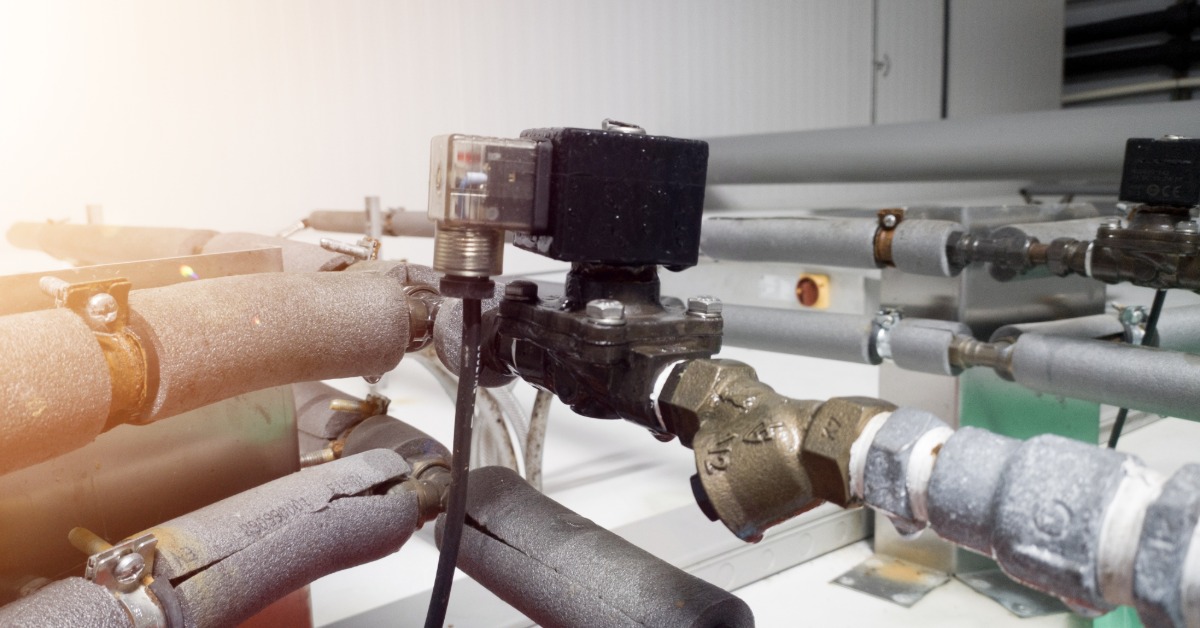
Industries that operate under extreme pressure conditions depend on precise, durable components to maintain safe and efficient systems. Engineers must account for pressure fluctuations, temperature extremes, and demanding duty cycles when selecting components that can perform reliably over time. Below, we’ve detailed the high-pressure valve innovations and trends of 2026.
Why Innovation Matters in High-Pressure Applications
High-pressure systems subject every component to constant stress, and valves often face the most demanding conditions. When a valve cannot respond accurately or withstand repeated cycles, performance declines, and pressure instability or leakage becomes more likely. Engineers need solutions that maintain consistency under real operating conditions, not just controlled environments.
Innovation directly addresses these challenges by improving how valves handle stress, respond to pressure changes, and maintain sealing integrity. Each advancement reflects the realities of field use, where pressure spikes, temperature shifts, and rapid cycling place constant strain on valve components. Engineers need designs that maintain sealing integrity and response accuracy even as conditions change.
Advanced Materials Improve Durability and Performance
Material selection plays a critical role in how a valve performs under pressure, especially in environments with corrosive media or extreme temperatures. Standard materials often degrade faster under these conditions, which leads to wear, leakage, or failure over time. Engineers now rely on advanced alloys and surface treatments that maintain strength while resisting environmental damage.
Advanced alloys and surface treatments extend valve lifespan by resisting corrosion, erosion, and thermal fatigue in high-pressure environments. Longer-lasting components reduce the frequency of maintenance cycles and limit unplanned shutdowns. As a result, systems maintain more consistent performance and lower overall operating costs.
Compact Designs Now Handle Higher Pressures
Modern systems demand efficient use of space, particularly in skids, test setups, and aerospace applications where every component must fit within tight constraints. Larger valves once limited system design and forced engineers to work around bulky components. New designs now achieve higher pressure ratings without increasing overall size.
Improved valve design allows engineers to increase system efficiency without sacrificing pressure performance. Compact valve footprints reduce space constraints in skids, test stands, and aerospace assemblies, making integration more straightforward. This flexibility gives engineers greater control over system layout while maintaining the pressure capacity required for demanding applications.
Precision Flow Control Continues to Improve
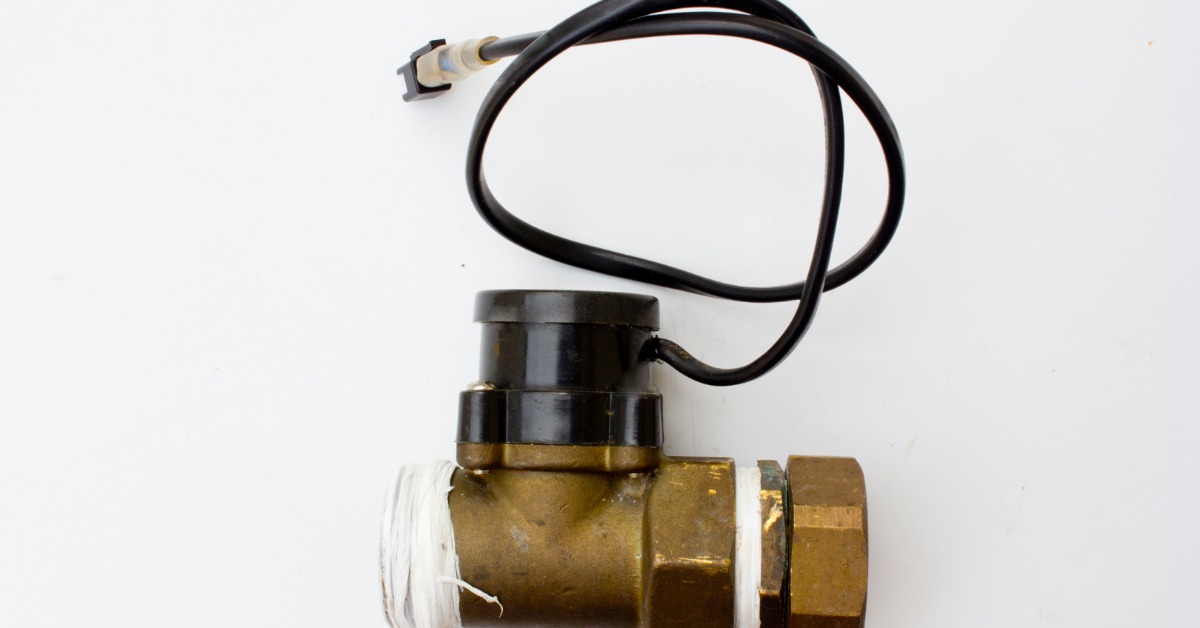
Accurate flow control remains essential in high-pressure environments where even small deviations can disrupt system performance. Improved internal design and faster response times allow valves to react quickly to changing conditions. This responsiveness helps maintain stable flow and reduces the risk of pressure-related issues.
Better repeatability also ensures consistent performance across repeated cycles, which is critical in testing and fuel system applications. When valves respond predictably, engineers can maintain tighter control over system behavior.
Smart Valve Technology Expands Monitoring Capabilities
Digital integration gives engineers direct insight into how valves perform under real operating conditions. Embedded sensors track pressure fluctuations, cycle counts, and response times, helping teams spot issues such as delayed actuation or seal wear before they affect system performance. Instead of relying solely on scheduled checks, operators can use this data to identify patterns that signal emerging problems.
With this level of visibility, maintenance teams can service valves based on actual performance rather than fixed intervals. This approach prevents unnecessary downtime while reducing the risk of unexpected failures during operation. As monitoring capabilities improve, valves become part of a broader system strategy that focuses on reliability, efficiency, and informed decision-making.
Energy Efficiency Becomes a Design Priority
Continuous-duty systems place constant electrical and thermal demands on valve coils, which can lead to overheating and premature component wear. Improved coil designs reduce current draw while maintaining the magnetic force needed for consistent actuation. Lower power consumption reduces heat buildup, helping prevent insulation breakdown and protecting internal components during extended operation.
By controlling heat and electrical load more effectively, these designs extend valve service life and reduce maintenance frequency. Systems can operate longer without interruption, especially in applications where valves cycle frequently or remain energized for extended periods. Engineers now evaluate coil performance not just for actuation but also for its support of long-term reliability under continuous use.
Customization Supports Complex Applications
Many high-pressure applications require more than a standard valve configuration due to unique operating conditions. Differences in pressure levels, media types, and environmental factors often demand tailored solutions. Custom valve configurations allow engineers to meet these specific requirements with greater accuracy.
Engineers can specify materials, pressure tolerances, and internal components that align with exact operating conditions such as corrosive media or extreme pressure cycles. This level of control prevents common failure points like seal degradation or inconsistent actuation. Customization ensures the valve performs consistently within systems that demand precise performance.
Reliability Improvements Reduce Risk in Critical Systems
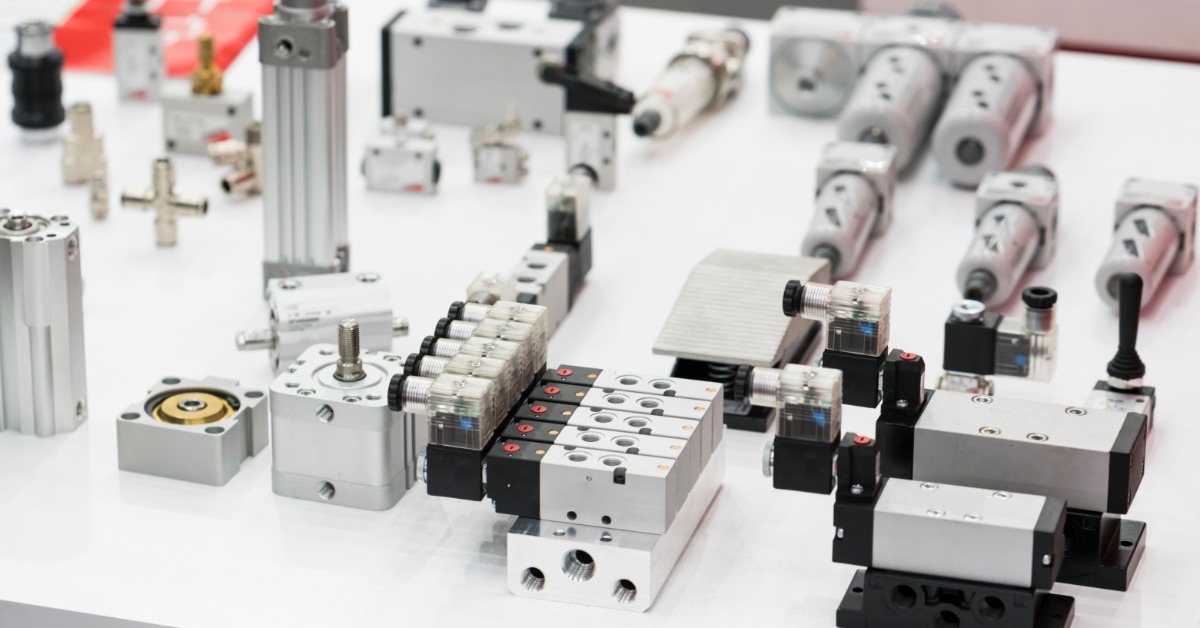
In industries such as aerospace and defense, valves must handle rapid cycling, high-pressure spikes, and extreme temperatures without losing sealing integrity or response accuracy. Internal components such as springs, seals, and armatures are subject to constant mechanical and thermal stresses, which can lead to fatigue or failure if not properly designed. Engineers now focus on reinforcing these components and improving sealing surfaces to maintain consistent performance over extended use.
Stronger internal construction helps prevent issues like delayed actuation, internal leakage, and component wear that can disrupt system operation. When valves maintain tight sealing and reliable response over time, systems avoid unexpected shutdowns and maintain stable performance. Reliability improvements focus on ensuring valves perform consistently under the same demanding conditions they face in real-world applications.
Sealing Technology Advances Minimize Leakage Risks
Strong sealing performance remains a key focus in high-pressure valve innovations and trends. Sealing performance directly affects the reliability and safety of high-pressure systems, especially when pressure differentials impose constant stress on sealing surfaces.
Leaks often result from seal wear, material degradation, or improper seating under high pressure, which can cause pressure loss and unplanned shutdowns. Engineers now use advanced seat materials and refined sealing geometries to maintain tight shutoff even under extreme conditions.
Improved sealing designs reduce wear at key contact points, such as the valve seat and seal interface, helping prevent internal leakage over time. Durable materials also maintain elasticity and strength under repeated cycling and temperature fluctuations.
Lifecycle Cost Is Driving Buying Decisions
Industrial buyers now prioritize long-term value when selecting high-pressure valves. A lower upfront cost often results in higher maintenance expenses and shorter service life. Engineers increasingly evaluate valves based on durability, performance, and total cost over time.
This shift reflects a broader focus on efficiency and reliability across industrial systems. When valves operate consistently and require less maintenance, overall system costs decrease. Lifecycle performance now plays a central role in purchasing decisions.
Work with Clark Cooper
High-pressure systems require components that deliver consistent performance under demanding conditions. As valve technology advances, engineers gain access to solutions that improve reliability, efficiency, and control. These innovations support safer operation and better system performance across industries that depend on precision.
Clark Cooper designs high-performance specialty valves for demanding environments where reliability and precision matter most. Our team works closely with engineers to match applications with durable, high-pressure solutions built for long-term use.
Selecting the right valve remains essential for maintaining system stability and long-term success. With continued improvements in materials and design, modern valves provide dependable solutions for even the most challenging applications.
Leave a Reply