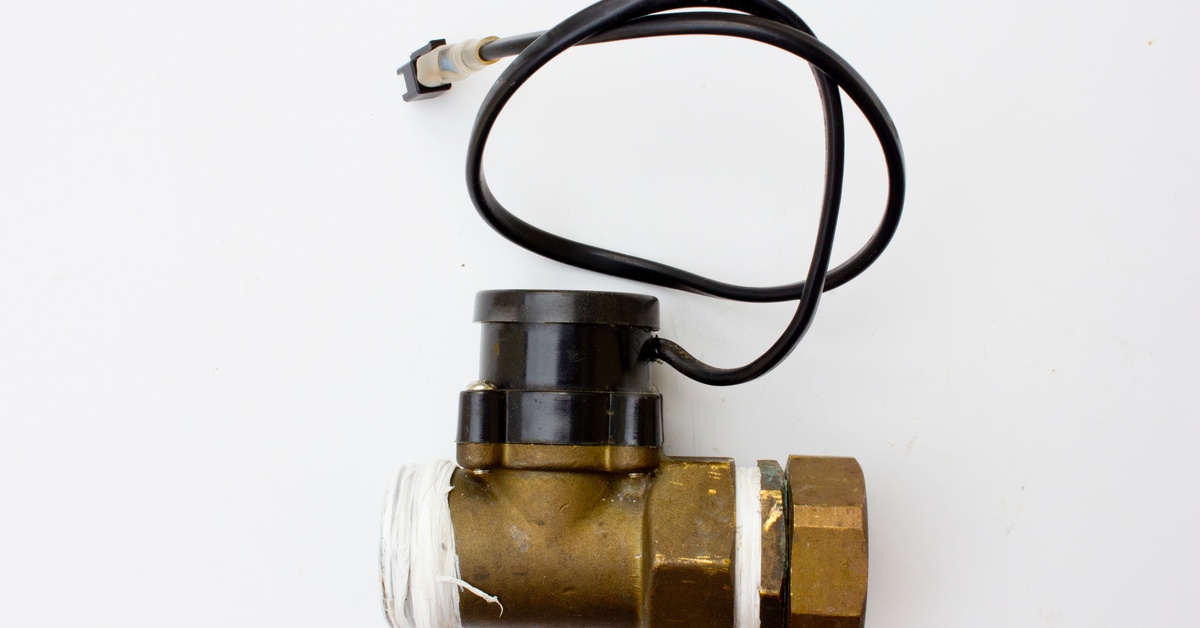
Petrochemical facilities operate in environments where pressure, temperature, and hazardous media create constant risk. When something goes wrong, systems must respond immediately to prevent damage, protect personnel, and maintain compliance. Emergency valves play a critical role in that response by isolating flow and shutting down processes in seconds.
Choosing the right valve requires more than matching specifications. Engineers must consider performance under stress, long-term durability, and how the valve behaves in failure scenarios. Here are some tips for selecting emergency valves for petrochemical facilities.
Understand System Pressure and Temperature Requirements
Every petrochemical system operates within a defined pressure and temperature range, but those conditions rarely remain steady. Startups, shutdowns, and emergency events can introduce sudden spikes, rapid drops, or thermal cycling. A valve must handle both normal operation and these shifts without losing performance.
Engineers should evaluate the full operating envelope, including worst-case scenarios, before selecting a valve. Materials, seals, and internal components must withstand both sustained stress and rapid changes. When a valve cannot tolerate those fluctuations, it creates a weak point that can compromise the entire system.
Prioritize Fast Response Time
Emergency valves exist to act quickly when a system detects unsafe conditions. Once a shutdown signal triggers, the valve must respond immediately to stop flow or isolate critical sections. Even slight delays can allow pressure to increase or hazardous media to travel further through the system.
Response time should align with the level of risk and the speed at which conditions can escalate. Solenoid valves often provide fast, repeatable actuation, which makes them well-suited for emergency applications. A valve that responds consistently under real operating conditions helps maintain control and limit potential damage.
Choose Materials Compatible with Process Media
Petrochemical processes involve aggressive substances that can degrade standard materials over time. Corrosion, erosion, and chemical reactions place continuous stress on valve components, which directly impacts performance and reliability. If the material cannot withstand the media, it will weaken and eventually fail under operating conditions.
To prevent this, engineers must select materials that match the system’s exact chemical composition and exposure levels. Stainless steel and other corrosion-resistant alloys often provide the required durability, but selection should always reflect the specific application. Long-term exposure plays a critical role, as materials must maintain integrity over extended use, not just initial operation.
Ensure Reliability in Harsh Environments
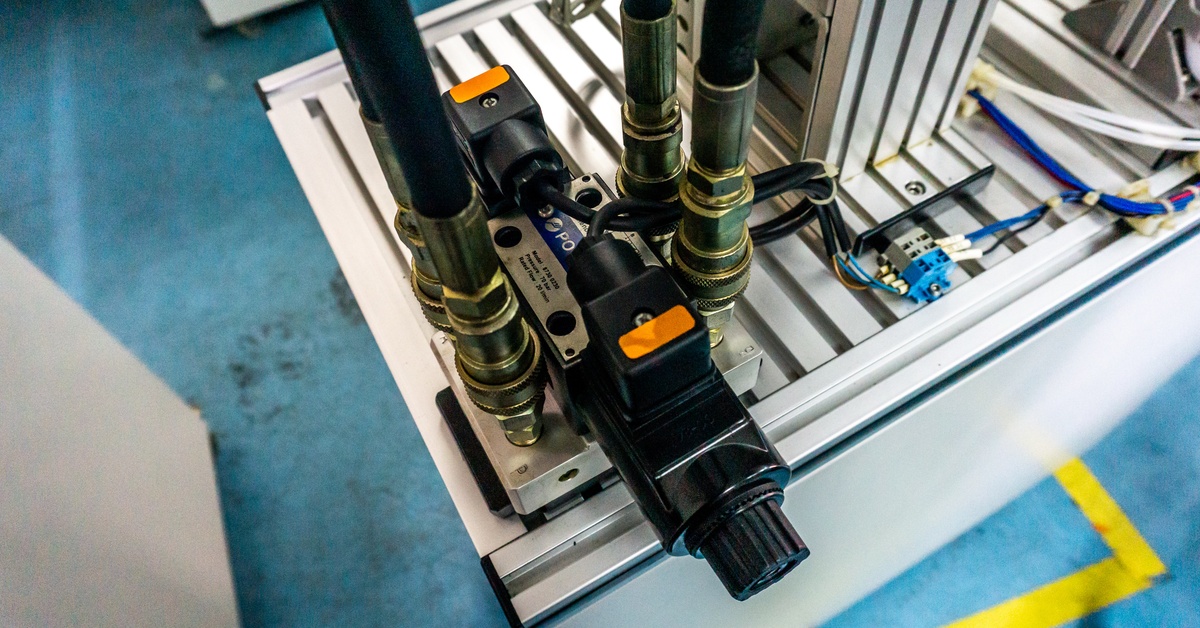
Petrochemical facilities expose equipment to continuous vibration, extreme temperature swings, moisture, and corrosive contaminants. These conditions place constant stress on valve components and can lead to wear, seal failure, or reduced performance over time. Emergency valves need to operate consistently despite these environmental challenges.
Reliability becomes critical because emergency valves often remain inactive until a failure occurs. When that moment comes, the valve must actuate immediately, without hesitation. Designs built for harsh environments, with durable materials and robust construction, help reduce the risk of failure during high-stakes events.
Verify Certifications and Compliance Standards
Regulatory requirements play a central role in equipment selection across petrochemical operations. Emergency valves must meet established industry standards to operate safely in hazardous environments. Certifications verify that the valve has been tested and can perform reliably under defined conditions.
Engineers should review all applicable standards early in the selection process. Compliance supports safety, reduces liability, and ensures the valve aligns with overall system requirements. Some key factors to evaluate include the following:
- Confirm industry certifications such as API or ASME
- Check hazardous location and explosion-proof ratings
- Align valve specifications with facility regulations
Evaluate Fail-Safe Functionality
Fail-safe design determines how a valve reacts when power or control signals fail. In emergency systems, that behavior must support the safest possible outcome based on the process conditions. A poor configuration choice can allow hazardous media to continue flowing or cause pressure buildup, increasing risk rather than reducing it.
Normally open and normally closed designs serve different purposes depending on the application. For example, some systems require an immediate shutdown to contain dangerous substances, while others must maintain flow to prevent damage to the system. Engineers must evaluate the full process to determine which state provides better protection.
Why It Matters
Clear planning ensures predictable valve operation and helps maintain control when failures occur.
Consider Maintenance and Lifecycle Costs
Initial cost often attracts attention, but long-term performance carries more weight in demanding environments where downtime has serious consequences. Frequent maintenance or unexpected replacement increases expenses and disrupts critical operations. These interruptions can impact production schedules, safety protocols, and overall system efficiency.
Lifecycle cost includes durability, service intervals, and the operational impact of downtime. Engineers should also consider how easily a valve can be serviced and how often it requires attention. A higher-quality valve often delivers better value by maintaining consistent performance over time, supporting both efficiency and long-term reliability.
Assess Integration with Control Systems
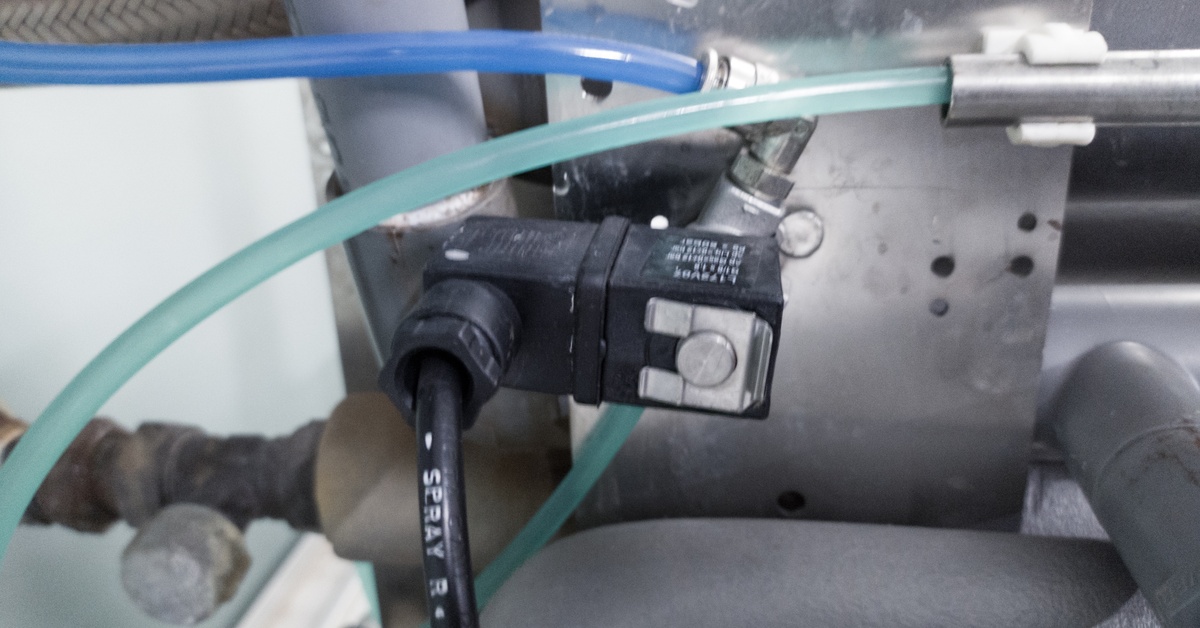
Emergency valves do not operate in isolation. They must connect seamlessly with control systems, sensors, and automation platforms that manage shutdown sequences. Poor integration can introduce signal delays or miscommunication, which weakens the system’s ability to respond quickly during an emergency.
Engineers should evaluate electrical requirements, signal types, and control logic early in the selection process. A well-integrated valve reduces installation complexity and supports consistent communication across the system. This alignment helps ensure faster response times and more reliable performance when conditions change suddenly.
Size and Flow Capacity Appropriately
Valve sizing affects how effectively a system responds during an emergency. A valve that restricts flow cannot relieve pressure quickly enough, allowing dangerous conditions to escalate. A valve that is too large may reduce control and precision, making it harder to regulate flow during critical moments.
Sizing decisions should also account for flow rate, pressure drop, and system dynamics during both normal and emergency conditions. Transient events, such as sudden shutdowns or pressure surges, place additional demands on valve performance. If the valve cannot handle these changes, it may fail to operate as intended when the system needs it most.
Accurate sizing depends on system flow requirements and operating conditions. Engineers must calculate capacity based on real-world scenarios, not just nominal values or steady-state assumptions. Proper sizing ensures the valve responds quickly, maintains control, and performs reliably under emergency conditions.
Work with Experienced Valve Manufacturers
When selecting emergency valves for petrochemical facilities, expertise helps ensure performance, durability, and long-term reliability. This becomes especially important as system complexity and risk increase.
Standard solutions often fall short in high-pressure or hazardous petrochemical environments where operating conditions push equipment to its limits. These applications require valves designed with a clear understanding of system demands, including pressure spikes, aggressive media, and strict safety requirements. Experienced manufacturers help identify these challenges early and guide more precise valve selection.
Experts also offer customization options that address specific system constraints, such as unique pressure ranges, material requirements, or space limitations. This level of support becomes critical in complex environments where off-the-shelf components cannot deliver consistent performance. A tailored solution helps ensure the valve integrates properly and operates reliably under stress.
Partner With Us
Clark Cooper sells high-temperature rotary valves that can support performance in demanding environments while maintaining consistent control. Our expertise in specialized valve design supports systems that require consistent performance in harsh conditions. Partner with us to help you evaluate requirements, refine specifications, and select durable solutions.
Leave a Reply