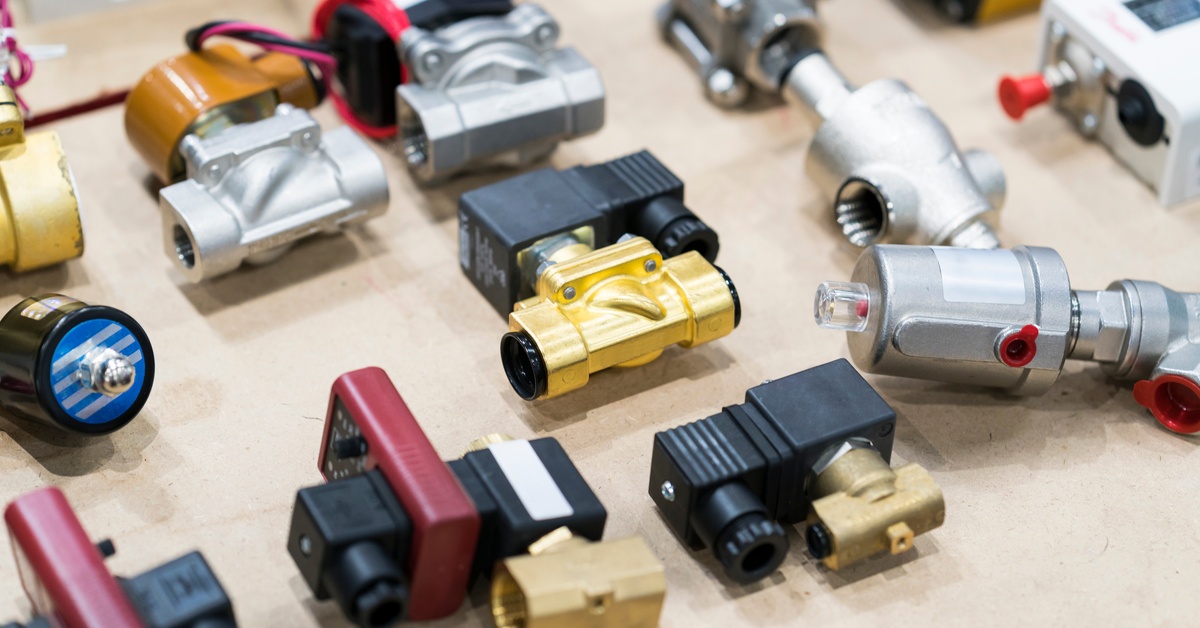
Engineers often encounter strong opinions about how solenoid valves should perform. Those ideas circulate across design teams, maintenance crews, and procurement departments, and they often persist long after system conditions change.
Over time, assumptions replace engineering analysis, especially when teams rely on experience rather than reviewing the operating environment. Below, we’ve debunked common solenoid valve performance myths to help you select the right components for your systems.
Myth 1: Higher Coil Power Always Means Better Valve Performance
Many engineers assume that increasing coil strength will automatically improve valve performance. The idea seems logical at first. A stronger electromagnetic field should produce stronger motion within the valve.
In reality, coil power must match the valve’s mechanical design and the system’s pressure conditions. Engineers design coils to produce the required force to move internal components, such as plungers or pistons. Once the coil produces that required force, additional power does not improve operation.
Higher coil power can introduce new problems. Excess heat may build inside the coil housing during extended operation. That heat can shorten the coil’s lifespan and place unnecessary thermal stress on surrounding components. Engineers achieve better performance by balancing electrical input, valve design, and operating pressure rather than simply increasing coil strength.
Myth 2: All Solenoid Valves Perform the Same Under High Pressure
Some engineers believe that the pressure rating alone determines whether a solenoid valve will function in demanding systems. While that specification certainly matters, operating conditions also influence how the valve actuates.
As system pressure rises, the force acting against the valve seat and internal components increases. That force can resist motion when the coil is energized. Standard valve designs may struggle to overcome those forces during repeated cycles.
Specialized valves address these challenges through reinforced internal structures and stronger materials. Engineers design those valves so internal components move smoothly even when system pressure reaches demanding levels. Without those design features, valves may experience delayed actuation, incomplete opening, or accelerated wear.
Myth 3: Solenoid Valves Open Instantly Regardless of System Conditions
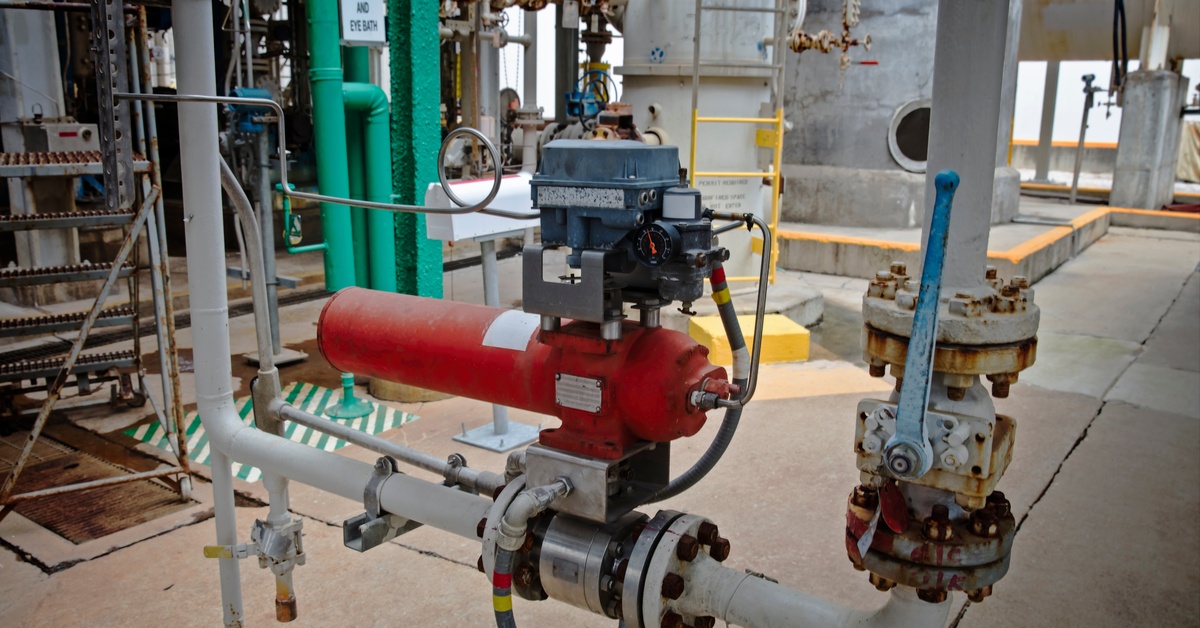
Many people expect a solenoid valve to open immediately once the coil receives power. Several system conditions influence how quickly the internal components respond.
One of the biggest factors is the pressure differential across the valve. When a strong force resists movement inside the valve body, the internal components may take longer to shift into position. Fluid properties can also affect actuation speed.
For example, viscous fluids behave differently from compressed gases as they move through the valve. Fluid density, temperature, and overall system conditions all influence how the valve reacts once the coil activates. Engineers who account for these variables develop more accurate expectations for valve response time.
Myth 4: Any Solenoid Valve Can Handle Any Fluid
Fluid compatibility represents one of the most overlooked aspects of valve selection. Engineers sometimes assume that a valve rated for the correct pressure will function properly regardless of the fluid inside the system.
Different fluids interact with materials in different ways. Some fluids cause corrosion, while others degrade sealing materials due to temperature extremes. Engineers must evaluate how each fluid interacts with internal valve components before making a final selection.
Several factors help determine whether a valve will operate reliably in a specific system:
- Fluid composition
- Operating temperature
- Pressure range
- Material compatibility
- Corrosion potential
Careful evaluation of these variables helps prevent material degradation and extend the valve’s service life.
Myth 5: Pressure Rating Is the Only Performance Metric That Matters
Pressure rating often receives the most attention during valve selection. Many engineers begin the specification process by confirming that the component can handle the system’s maximum operating conditions.
However, that specification alone does not determine overall performance. Flow capacity, temperature limits, and actuation speed also influence how the valve behaves during operation. Internal geometry and sealing materials also play important roles.
A component may meet the required limits while still falling short under real-world conditions. When engineers evaluate multiple performance factors together, they gain a clearer understanding of how the valve will perform over time.
Myth 6: Larger Valves Always Provide Better Flow
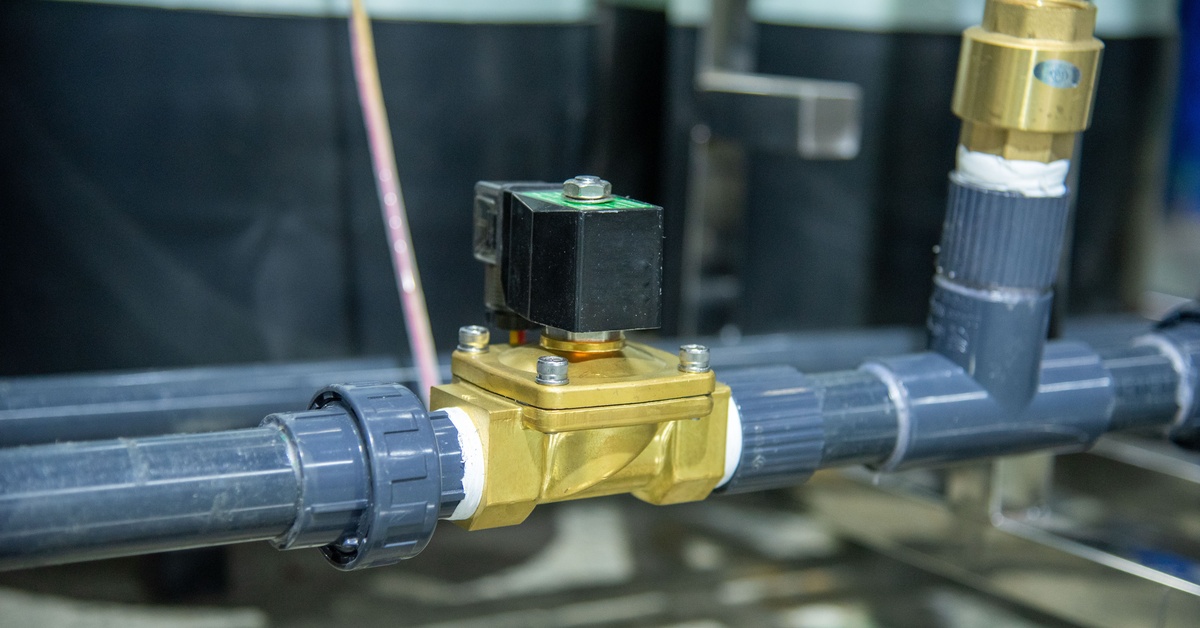
It is easy to assume that a larger valve body will automatically allow more fluid to pass through the system. In many cases, engineers expect larger ports to produce higher flow capacity.
However, internal flow path design plays a much larger role than physical size alone. Passage geometry, seat configuration, and internal structure determine how fluid moves through the valve.
Two valves with similar port sizes may produce very different flow results. One valve may allow smooth flow through well-designed internal passages, while another may introduce turbulence and restriction. Engineers achieve better performance when they evaluate flow coefficients and internal design rather than focusing solely on physical size.
Myth 7: Solenoid Valves Require Frequent Maintenance
Some maintenance teams expect solenoid valves to require constant servicing. That assumption often develops when systems use valves that were never designed for the operating environment or when contamination enters the system.
When engineers match the valve to the application, many industrial solenoid valves operate for long periods without regular maintenance. Durable internal components, such as stainless-steel bodies, hardened plungers, and properly selected sealing materials, help reduce wear over repeated cycles.
System cleanliness also plays a major role in long-term reliability. Filtration and contamination control prevent debris from interfering with moving components inside the valve. When engineers align valve design with system conditions, solenoid valves can deliver consistent performance across thousands of operating cycles.
Myth 8: Direct-Acting and Pilot-Operated Valves Perform the Same
Another common myth about solenoid valve performance is that a direct-acting and pilot-operated valve works identically. Direct-acting valves use electromagnetic force alone to move internal components. When the coil energizes, the valve opens without relying on system pressure.
On the other hand, pilot-operated valves function differently. These valves use system pressure to assist movement once the pilot mechanism activates. Because of that difference, pilot-operated valves may require specific pressure conditions to function properly.
Myth 9: One Standard Valve Works for Every Industrial Application
Industrial environments vary significantly across industries. Oil and gas equipment operates under very different pressures and temperatures than aerospace testing systems or cryogenic applications.
Each environment places different demands on valve design. A valve that performs reliably in a refinery pipeline may not function properly in cryogenic testing equipment or aerospace ground support systems. Engineers often specify stainless steel bodies, specialized seal materials, or modified internal components to handle particular fluids, temperature ranges, and operating loads.
Application-specific engineering helps maintain reliability in demanding systems. When engineers evaluate media type, operating temperature, and actuation requirements, they can select valve designs that deliver consistent performance over long operating cycles.
Contact Us
Companies that engineer durable, high-pressure solenoid valves help ensure that critical systems maintain reliable flow control even under extreme operating conditions. Engineers working in demanding industries often rely on manufacturers like Clark Cooper, whose valve designs support harsh environments and high-pressure applications. Choosing equipment built for these conditions helps maintain system stability, reduce downtime, and support reliable long-term performance.
Leave a Reply