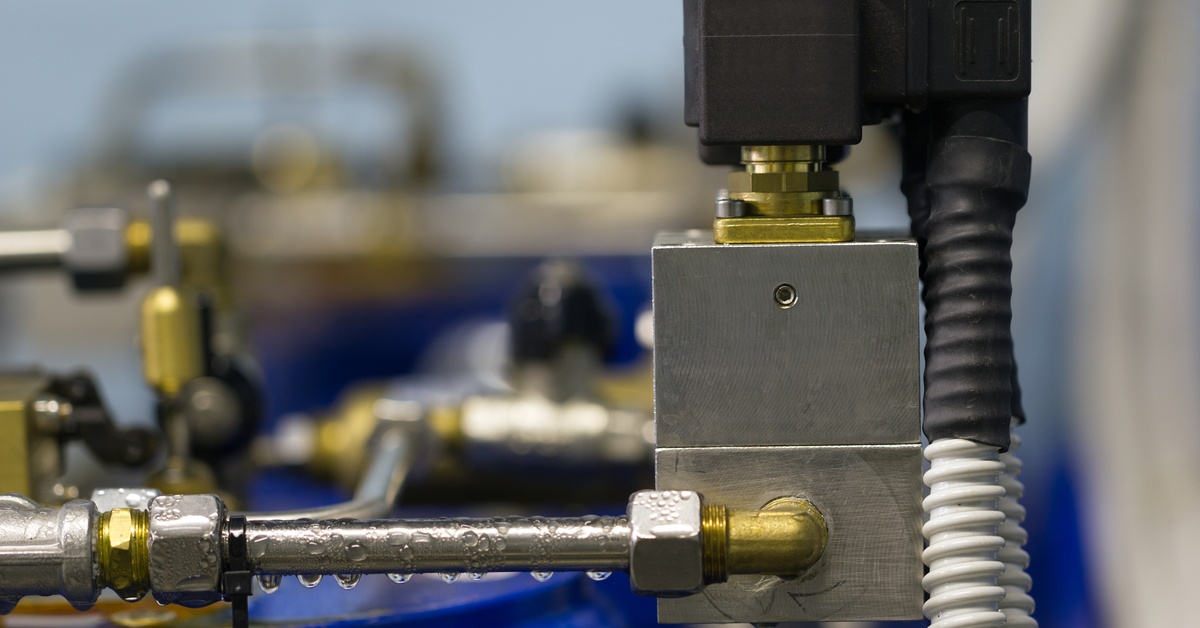
In high-pressure systems, a valve does more than open and close. It determines how quickly a process responds, how reliably equipment starts up, and how safely pressure stays contained. Two valves may look identical on the outside but behave very differently once installed.
The difference between valves becomes critical in fuel systems, test stands, and marine environments where pressure conditions shift without warning. If the actuation method does not match the application, performance suffers, and reliability drops. Engineers must understand the key differences between direct-acting and pilot-operated solenoid valves to ensure they select the right valve.
Direct-Acting Solenoid Valves
A direct-acting solenoid valve opens and closes without relying on system pressure. The coil generates enough magnetic force to lift the plunger directly off the seat. Since the valve operates independently of line pressure, it performs reliably in low-pressure and zero-differential systems. Engineers often choose this design when system pressure fluctuates or starts at zero.
How Direct-Acting Valves Work
When the coil energizes, it creates a magnetic field that pulls the plunger upward. That motion opens the orifice, allowing media to flow through the valve body. When power stops, a spring forces the plunger back onto the seat, sealing the valve.
The process operates independently of line pressure. The solenoid provides all the lifting force required to open the valve, allowing it to function consistently even during startup or in systems that do not maintain steady pressure.
Performance in Low-Pressure and Zero-Differential Systems
Zero pressure differential means there is no pressure difference between the inlet and outlet. Many systems experience this condition at startup or in controlled testing environments. In those situations, a pilot-assisted design would not function properly.
Direct-acting valves solve that problem. Because they do not depend on pressure to assist movement, they open and close based solely on coil energization. Engineers often install them in vacuum systems, test stands, and applications that require predictable actuation regardless of system pressure.
Response Time and Control Precision
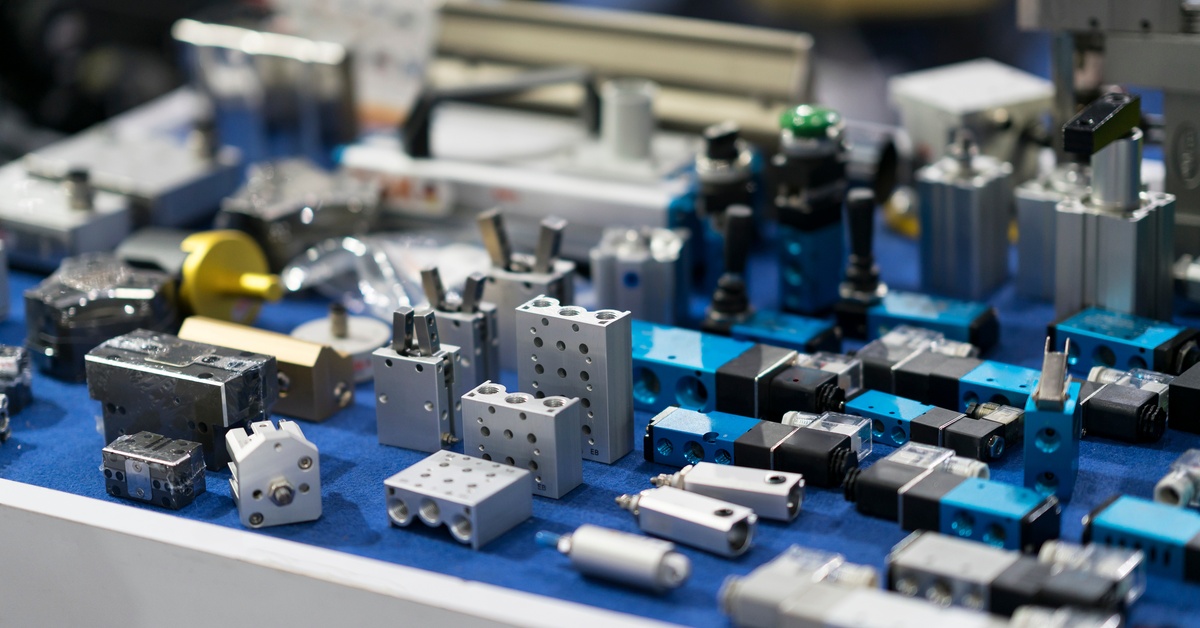
Direct-acting valves respond quickly because their internal mechanisms remain simple. The coil directly lifts the plunger, reducing the delay between coil energization and opening the flow path. That quick action supports tight control in automated systems.
A fast response is especially important in applications that cycle frequently, where every millisecond affects performance. In high‑speed test environments or precision fuel delivery systems, predictable actuation ensures consistent process control. The straightforward design further enhances reliability by minimizing internal components that could slow movement.
Pressure and Flow Limitations
Direct-acting valves provide reliable performance at low pressure, but they still face physical limits. The coil must generate enough magnetic force to overcome both spring tension and line pressure at the seat. As system pressure rises or orifice size increases, the required lifting force increases as well.
At higher pressures, the coil would need substantially more power to open the valve directly. For that reason, engineers typically select direct-acting designs for smaller orifices and moderate pressure ranges. When applications require larger flow paths or sustained high pressure, many engineers shift to a design that uses system pressure to assist movement.
Pilot-Operated Solenoid Valves
A pilot-operated solenoid valve uses system pressure to help open and close the main orifice. The solenoid controls a smaller pilot port rather than lifting the primary sealing element directly.
Once the pilot port opens, line pressure pushes against a diaphragm or piston and lifts the main sealing element. That movement opens the full orifice and allows unrestricted flow. By using system pressure to move the primary seal, the valve can support larger orifices and operate at higher pressures when adequate differential pressure exists.
How Pilot-Operated Valves Work
When the coil energizes, it opens a small pilot orifice. That action changes the pressure balance on both sides of the diaphragm or piston inside the valve. System pressure then lifts the main sealing element, opening the primary flow path.
The valve requires a minimum pressure differential to function correctly. If inlet pressure does not exceed outlet pressure by a sufficient margin, the diaphragm or piston cannot lift into the open position. System pressure conditions therefore determine whether the valve can complete the actuation process.
High-Pressure and High-Flow Capability
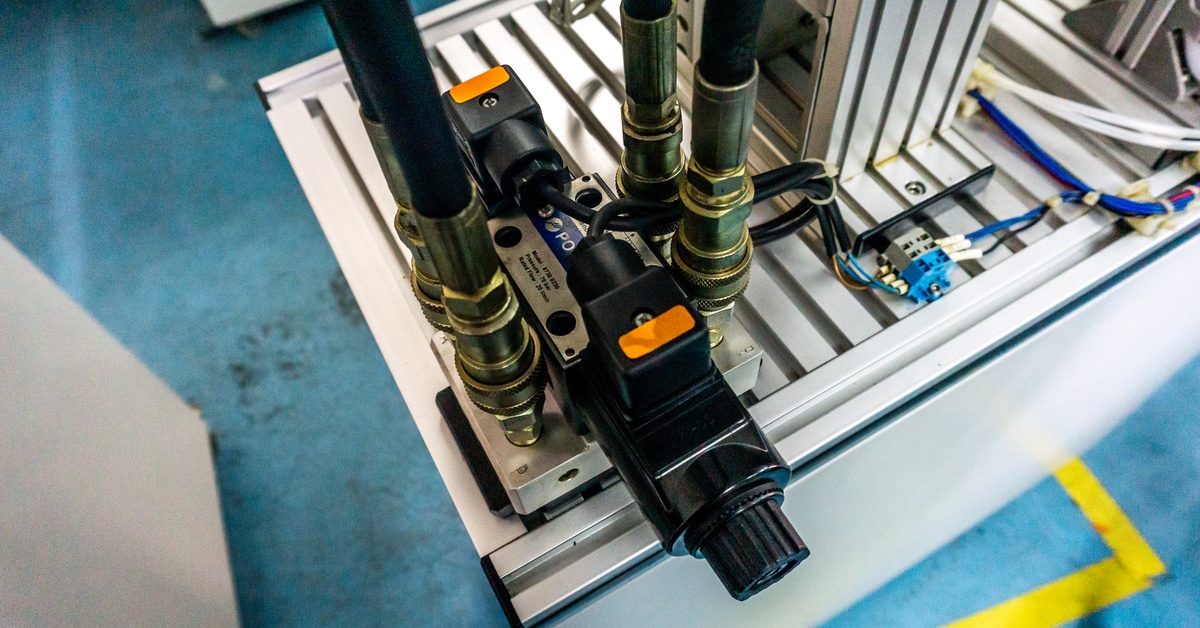
System pressure performs the heavy lifting in pilot-operated designs, so these valves handle larger orifices more efficiently. The coil controls the pilot passage rather than fighting full line pressure at the main seat. That operating approach supports higher flow capacity without requiring an oversized coil.
Pilot-operated valves fit demanding industrial environments such as oil and gas processing, fuel skid systems, and power generation equipment. When systems maintain sustained high pressure and a consistent differential pressure, pilot-assisted designs deliver reliable high-flow performance.
Energy Efficiency and Coil Sizing
Pressure assistance reduces the force the coil must generate. As a result, engineers can often use smaller coils compared to an equivalent direct-acting valve designed for the same pressure range. That reduction can lower power consumption and manage thermal load more effectively.
Lower coil force also reduces stress on internal components. Over time, that balance can contribute to stable performance in continuous-duty applications. Engineers still need to size the coil correctly, but the pressure-assisted mechanism expands design flexibility.
System Requirements and Limitations
Pilot-operated valves demand stable system conditions. They require a minimum pressure differential between the inlet and the outlet to operate. If pressure drops below that threshold, the valve may fail to open or close fully.
Engineers should evaluate system behavior before selecting this design. Consider the following factors:
- Startup pressure conditions
- Minimum and maximum operating pressure
- Expected pressure fluctuations
- Required flow rate and orifice size
These conditions determine whether a pilot-assisted design will function reliably throughout the operating cycle.
Which Is Best?
When engineers compare direct-acting vs. pilot-operated solenoid valves, they should confirm that the chosen design will operate consistently across the full pressure profile. Matching the actuation method to real-world conditions prevents performance issues and extends equipment life.
Both designs solve specific pressure challenges. The better choice depends on how the system starts, operates, and responds under load. Engineers must evaluate pressure differential, flow demand, and cycling frequency before making that decision.
Direct-acting valves work best when pressure starts at zero, fluctuates frequently, or requires immediate mechanical response. Pilot-operated valves excel when systems maintain steady differential pressure and demand higher flow at elevated pressures. Each design performs best under the conditions engineers designed it to handle.
Contact Us
High-pressure systems leave little room for error. Material strength, internal geometry, and pressure ratings all influence long-term reliability. Choosing the correct actuation method forms only part of the equation.
Clark Cooper is a solenoid valve manufacturer with decades of experience designing valves for high-pressure, mission-critical environments. If your application demands durability, precision, and engineered performance, our team can help you select the right configuration for your system.
Leave a Reply