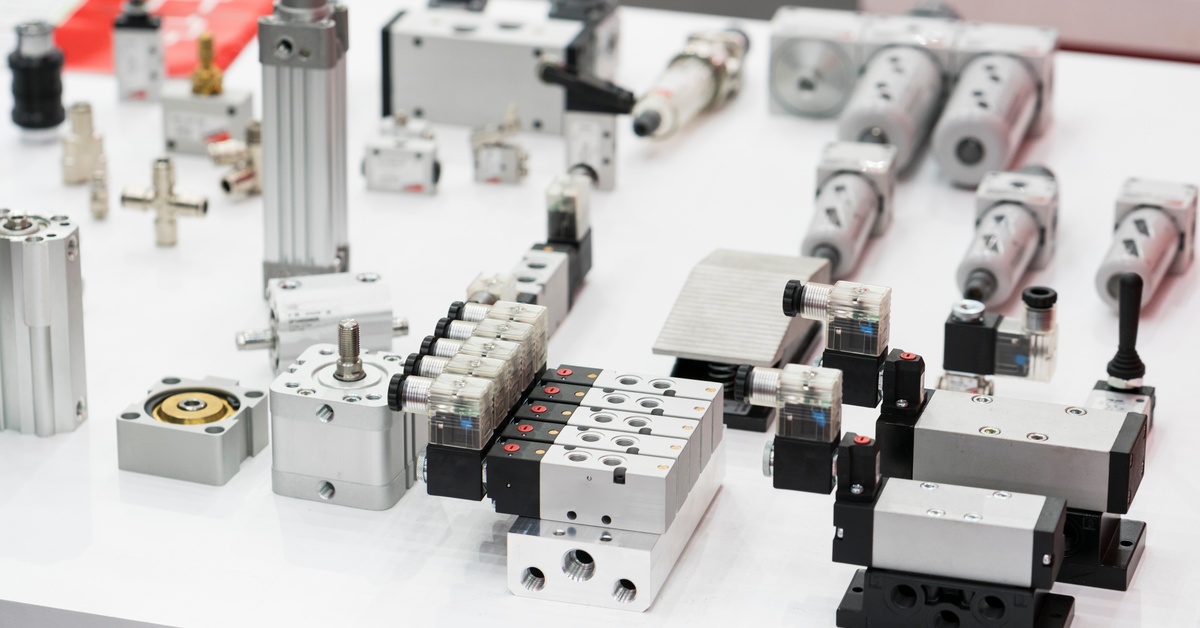
Engineers and industrial buyers often use solenoid valves and electric valves interchangeably, which creates confusion during specification. When teams misunderstand how each valve operates, they may select equipment that cannot meet performance demands. That mistake leads to unstable flow, premature wear, or expensive redesigns. Knowing the difference between solenoid valves and electric valves directly affects response time, pressure handling, and overall system reliability.
What Is a Solenoid Valve?
A solenoid valve controls fluid flow through electromagnetic force. When electrical current energizes the coil, it generates a magnetic field that pulls a plunger into position, opening or closing the internal orifice. When power stops, a spring returns the plunger to its default state. This direct magnetic actuation enables fast, repeatable movement without mechanical gearing or rotational travel.
Valve speed matters in real operating conditions. If engineers underestimate how quickly a system must isolate pressure, delayed closure can increase stress on downstream components or compromise safety in high-pressure gas and fuel applications. Solenoid valves reduce that risk by delivering immediate shutoff and consistent cycling, even in demanding environments. Their compact construction also simplifies integration into tight assemblies or test systems where space remains limited.
Many demanding industrial systems rely on an electrically actuated solenoid valve for rapid switching and dependable isolation under pressure. This design supports applications where response time, durability, and high-pressure performance carry more weight than gradual flow adjustment.
Why Pick Solenoid Valves?
Solenoid valves make sense when speed, pressure control, and reliability matter most. Their magnetic actuation eliminates mechanical lag and delivers an immediate response. In systems where delay creates instability or safety risk, fast isolation protects both equipment and process integrity. Some reasons to pick solenoid valves include the following:
- Rapid shutoff prevents pressure spikes and downstream stress
- Immediate response supports emergency isolation needs
- Compact design fits tight assemblies and test setups
- Frequent cycling does not require complex actuator systems
- High-pressure capability supports demanding industrial environments
Common Applications for Solenoid Valves
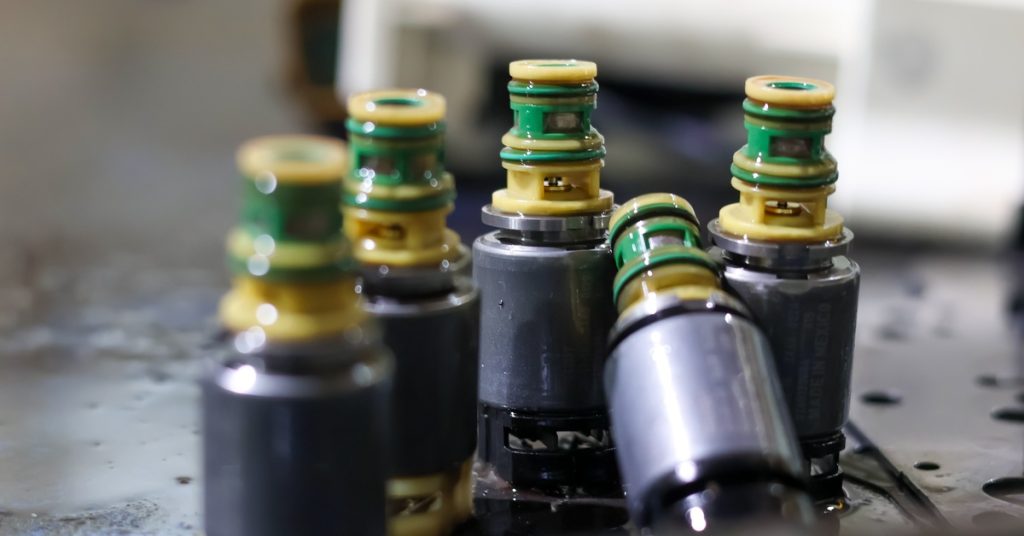
Solenoid valves support applications where speed, pressure control, and reliable isolation matter most.
- High-pressure gas systems: Rapid shutoff prevents pressure spikes and protects downstream components from sudden stress.
- Fuel delivery and test stands: Fast cycling supports repeated on-off sequences without complex mechanical lag.
- Aerospace ground testing: Immediate response ensures accurate simulation and safe isolation during testing procedures.
- Marine and naval systems: Compact construction fits tight spaces while maintaining dependable shutoff under demanding conditions.
- Industrial safety systems: Instant closure reduces risk during emergency events or unexpected pressure changes.
What Is an Electric Valve?
An electric valve uses a motor-driven actuator rather than a magnetic force. The motor rotates gears or a stem to move the valve into position. That mechanical motion allows gradual opening, partial positioning, or full closure, depending on system requirements.
When teams assume that all electric valves respond instantly, they overlook the built-in travel time required for mechanical movement. In time-sensitive processes, that delay can disrupt pressure balance or slow emergency response. However, slower movement becomes an advantage when a process demands controlled adjustment rather than immediate isolation.
Moreover, electric valves address precision and torque issues. In larger-diameter systems or processes that require steady throttling, a motor-driven actuator delivers smoother control than a simple on-off mechanism. Engineers must evaluate whether their system benefits more from modulation or from speed.
Why Pick Electric Valves?
Electric valves make sense when controlled movement and precision define system performance. Their motor-driven design supports gradual positioning and stable modulation. In applications where abrupt changes could cause pressure shock or flow instability, smooth actuation protects both equipment and process consistency. Some reasons to get electric valves include the following:
- Controlled modulation maintains steady flow rates
- Gradual opening and closing reduce pressure shock
- Higher actuator torque supports larger valve sizes
- Position feedback improves accuracy in automated systems
- Stable travel supports processes that require incremental adjustment
Common Applications for Electric Valves
Electric valves serve systems that depend on gradual movement and precise control rather than rapid isolation.
- Process control lines: Controlled modulation maintains steady flow rates and prevents abrupt system shifts.
- Large-diameter pipelines: Motor-driven torque moves heavier internal components reliably.
- Automated industrial systems: Position feedback improves coordination with sensors and control platforms.
- Water and chemical processing: Incremental adjustment protects product consistency and operational stability.
- Fuel management systems requiring regulation: Gradual opening and closing prevent pressure shock and maintain smooth delivery.
Core Differences and How to Choose the Right Valve
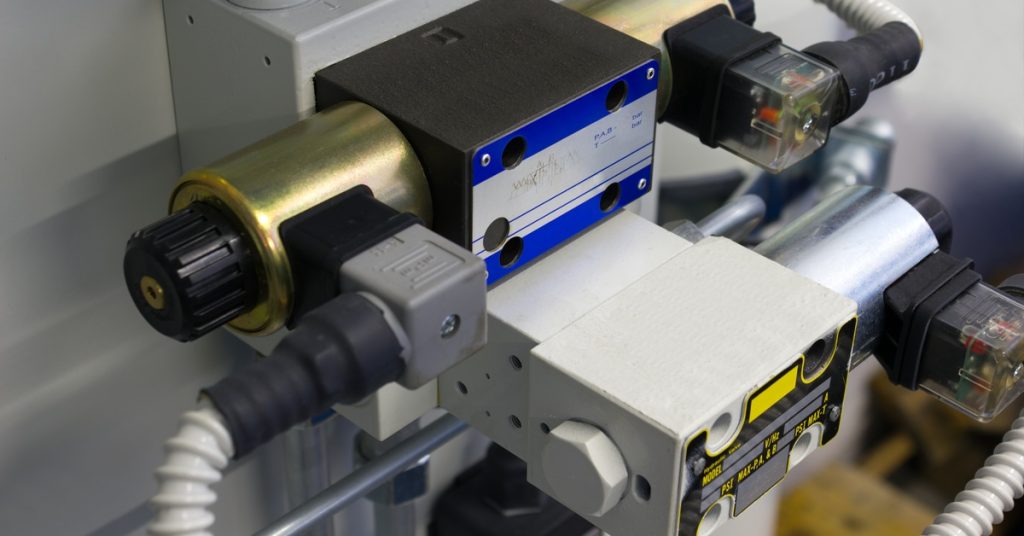
Understanding the difference between solenoid and electric valves requires more than identifying the actuation method. Below, we’ve listed a few things to consider when picking a valve.
Speed of Operation and System Stability
Speed directly affects system stability. Solenoid valves move almost instantly because the magnetic force shifts the plunger without mechanical travel. That rapid response protects systems that require immediate isolation, especially in high-pressure gas or fuel lines.
Electric valves move more gradually due to motor-driven travel, which supports smooth adjustments but can limit emergency response. That difference does not make one option better than the other. It simply reinforces the need to evaluate how quickly the system must react under real operating conditions before selecting the appropriate actuation method.
Flow Control and Precision Requirements
Flow requirements often determine the right choice. Solenoid valves operate in fully open or fully closed positions, ensuring dependable isolation but limiting throttling.
Electric valves allow incremental positioning, which maintains stable flow in processes that require modulation. Using the wrong actuation method can increase wear or reduce efficiency. Clear control expectations prevent performance compromises.
Pressure Demands and Environmental Conditions
Pressure and environment shape long-term reliability. High-pressure systems require durable materials and dependable sealing. If engineers overlook pressure ratings or media compatibility, leakage and premature wear can follow.
Temperature extremes, vibration, and corrosive conditions also affect performance. Selecting a valve designed for the operating environment protects safety, uptime, and overall system integrity.
Make the Right Choice for Your Business
Solenoid valves and electric valves solve different problems. Solenoid valves deliver rapid response and dependable shutoff under demanding conditions. Electric valves provide controlled positioning and modulation when precision defines the process.
A clear understanding removes confusion and supports better decisions. When engineers align the actuation method with application demands, they protect system stability, reduce maintenance risk, and achieve consistent performance over time.
Work with Clark Cooper
Clark Cooper engineers high-pressure solenoid valves built for demanding industrial environments. If your application requires rapid response, durable construction, or custom configurations, our team can help you evaluate the right solution. Connect with us to discuss system requirements, performance goals, and specification details that ensure long-term reliability and operational confidence.
Leave a Reply