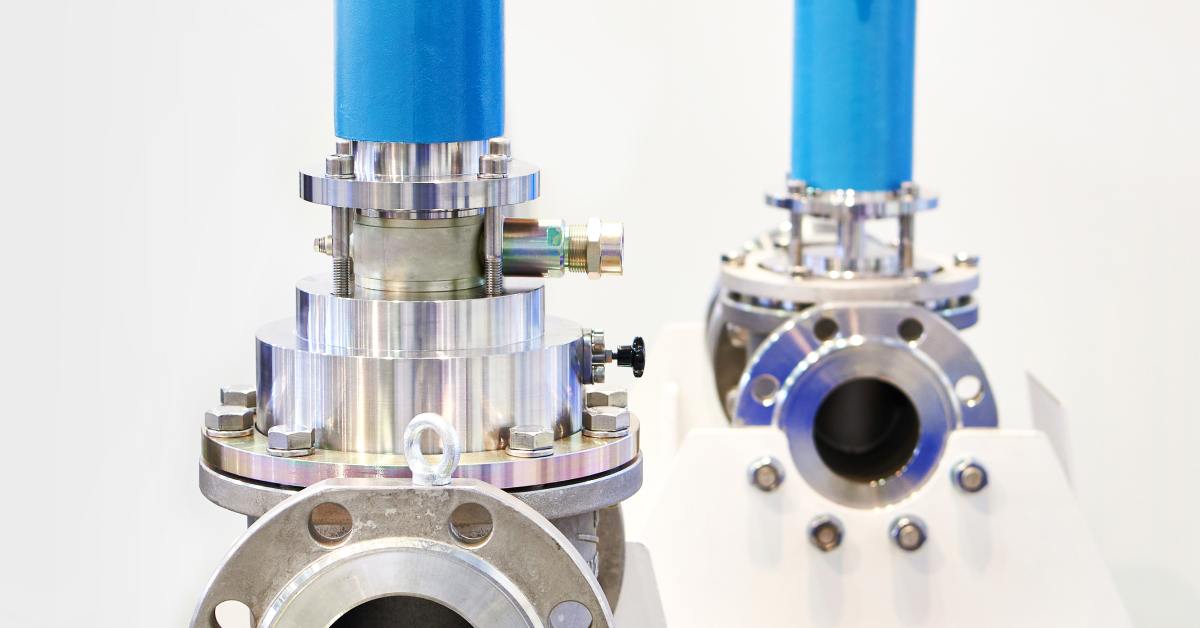
In industries where systems operate at elevated PSI, valve performance directly impacts safety, efficiency, and uptime. Engineers in oil and gas, aerospace, marine, and power generation rely on precise flow control to manage demanding processes. When pressure increases, even small design weaknesses can lead to leakage, delayed response, or premature wear.
Solenoid valves built for these conditions must deliver strength, accuracy, and durability under continuous stress. From material selection to sealing integrity and response time, every design detail matters. Understanding the key features of high-pressure solenoid valves helps engineers specify components that perform reliably in high-stress environments.
Engineered for Elevated Pressure Ratings
High-pressure solenoid valves can handle operating conditions that exceed the limits of standard solenoid valves. Manufacturers design high-pressure valves to manage specific maximum PSI ratings without compromising structural integrity. More specifically, thicker valve bodies, reinforced internal components, and high-strength materials allow the assembly to withstand continuous internal pressure.
Precision machining ensures that the valve seat, plunger, and internal sealing surfaces remain precisely aligned under load. When system pressure rises quickly, poorly machined components can shift or deform, leading to leakage or sticking. Tight tolerances reduce that risk and keep the valve operating consistently at its rated PSI.
Engineers selecting valves for these applications must consider more than just the system’s normal operating pressure. For example, if a system operates at 3,000 PSI but experiences surges above that level, the valve must handle those peaks without causing seal damage or structural strain. Selecting a valve rated for both operating and surge pressure protects internal components and prevents premature failure.
Durable Stainless Steel Construction
Material selection directly affects valve performance and service life. High-pressure solenoid valves typically use stainless steel for valve bodies and internal components; this metal resists corrosion and withstands sustained mechanical stress. Likewise, its strength allows the valve to contain elevated internal pressure without cracking, warping, or losing dimensional stability.
Material selection directly affects valve performance and service life. High-pressure solenoid valves typically use stainless steel bodies and internal components because stainless steel resists corrosion and withstands sustained mechanical stress. Its strength allows the valve to contain elevated internal pressure without cracking, warping, or losing dimensional stability.
Some industries that rely on stainless steel high-pressure solenoid valves include the following:
- Oil and gas systems: Exposure to hydrocarbons, corrosive compounds, and high-pressure process media
- Marine applications: Constant moisture and salt exposure that accelerates corrosion
- Aerospace and power generation: Wide temperature swings and demanding operating cycles
Stainless steel construction helps maintain structural integrity in each of these conditions. Engineers also specify compatible seal materials to ensure chemical resistance and long-term dimensional stability.
Precision Sealing and Tight Shut-Off
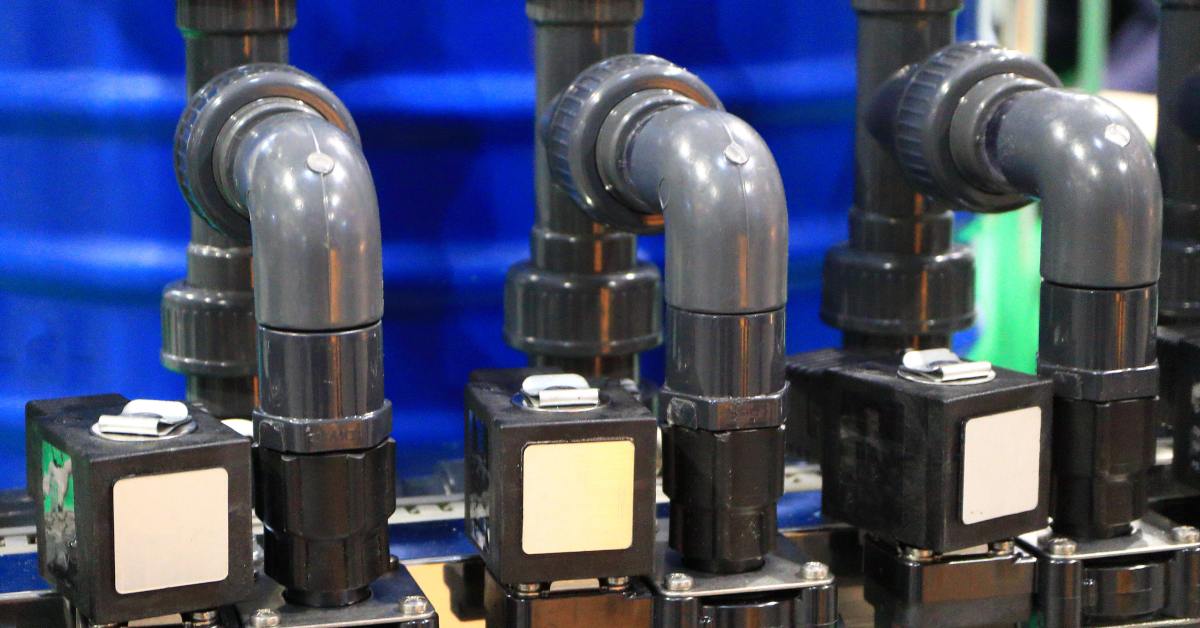
High-pressure systems require a valve that closes completely and holds pressure without leakage. Even small leaks can reduce system pressure, degrade measurement accuracy, or pose safety risks. To prevent this, manufacturers machine valve seats to precise tolerances so sealing surfaces meet evenly under load. Proper alignment ensures consistent contact each time the valve closes.
Seal materials must also withstand repeated cycling at elevated pressure and temperature. Engineers select elastomers or specialized compounds that resist extrusion, hardening, and wear. A stable seal maintains shut-off performance over thousands of cycles. In fuel systems, cryogenic setups, and high-pressure test equipment, reliable isolation protects downstream components and preserves system control.
Fast and Controlled Response Time
High-pressure solenoid valves rely on electrical actuation to control flow quickly and accurately. When the coil energizes, it creates a magnetic field that moves the internal plunger and shifts the valve position. That movement must occur immediately and consistently to maintain precise control of fluid or gas flow.
In automated systems, timing directly affects performance. Aerospace test stands, fuel delivery skids, and industrial process controls depend on valves that respond at the same speed every cycle. Engineers design internal components to reduce mechanical lag and eliminate bounce during operation. Controlled, repeatable response ensures the valve opens and closes exactly when the system commands it.
Direct-Acting and Pilot-Operated Configurations
High-pressure solenoid valves use two primary actuation designs: direct-acting and pilot-operated. The correct configuration depends on system pressure, flow requirements, and available pressure differential.
Direct-Acting Valves
Direct-acting valves rely solely on electromagnetic force to move the internal components. The coil lifts or seats the plunger without assistance from system pressure, which allows the valve to operate at zero or fluctuating pressure differential. This design works well for lower flow rates and applications that require immediate response.
Pilot-Operated Valves
Pilot-operated valves use system pressure to assist movement once the solenoid opens a pilot passage. This design allows the valve to control higher flow rates while handling elevated pressures more efficiently.
Resistance to Harsh Environmental Conditions
High-pressure applications rarely involve pressure alone. Valves often operate in environments with extreme temperatures, constant vibration, moisture exposure, or chemically aggressive media. Each of these conditions places additional stress on internal components, seals, and electrical assemblies.
Moreover, fluctuations cause materials to expand and contract, which can alter sealing contact if the valve lacks dimensional stability. Continuous vibration can accelerate wear or loosen internal components that are not properly secured.
Customization for Complex Applications
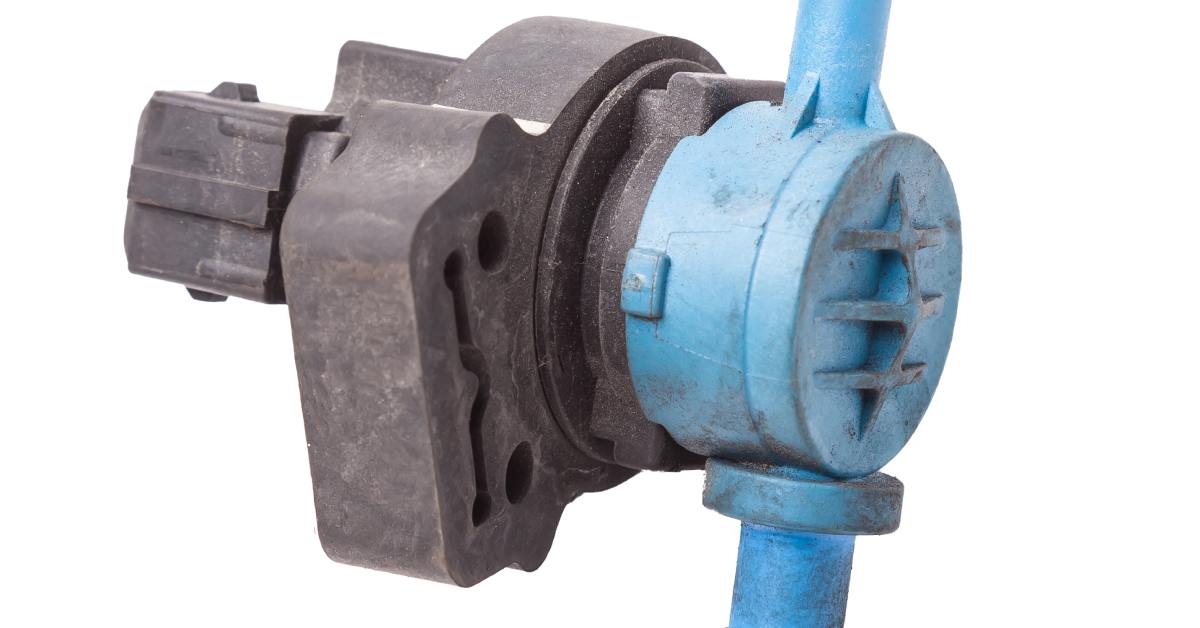
Standard specifications rarely fit every system requirement. High-pressure applications often demand tailored solutions. Manufacturers offer configurable features such as port size, voltage options, seal materials, and pressure ratings.
Additionally, customization ensures the valve matches the system’s exact conditions. For example, a high-pressure air solenoid valve may require specific seal materials and internal geometry to handle compressed air at elevated PSI. Engineers must evaluate media type, operating temperature, and full pressure range before finalizing the configuration.
Compact and Space-Conscious Design
High-pressure systems often leave limited room for component installation. Valve assemblies must fit within control panels, equipment enclosures, or tightly arranged manifolds without interfering with surrounding hardware. Designers reduce overall envelope size while maintaining the wall thickness and internal reinforcement required for elevated PSI.
A compact footprint makes integration easier in tightly arranged systems where space remains limited. Engineers can position the valve closer to adjacent components, thereby reducing tubing length and simplifying overall routing.
Shorter runs can also improve response consistency and reduce potential leak points. Even with a reduced external profile, the valve must maintain the wall thickness and internal strength required to withstand sustained high-pressure operation.
Selecting the Right Valve for Your Application
Understanding the main features of high-pressure solenoid valves helps you determine what you need to buy. A few other things to consider when buying your valve include the following
- Verify operating and surge pressure ratings: Confirm the valve can handle both normal operating PSI and temporary pressure spikes.
- Confirm media compatibility: Ensure body and seal materials match the fluid or gas in your system to prevent corrosion, swelling, or premature seal failure.
- Match flow and configuration requirements: Select direct-acting or pilot-operated designs based on required flow rate and available pressure differential.
- Evaluate environmental conditions: Account for temperature range, vibration, moisture exposure, and mounting constraints to ensure long-term reliability.
Shop for Quality Valves
Work with a manufacturer specializing in high-pressure solenoid valve design. Clark Cooper engineers durable, stainless steel valves built for demanding environments and custom configurations. Contact the team to discuss your specifications or request a quote for your project.
Leave a Reply