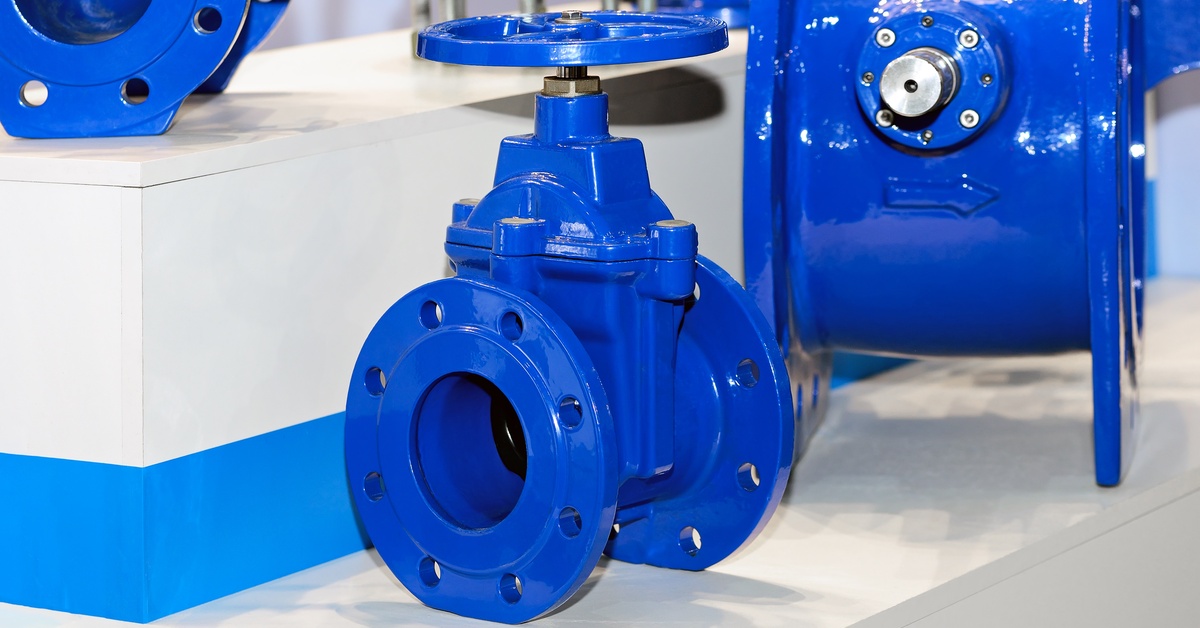
Rotary valves sit at the heart of bulk material handling and pneumatic conveying, where flow control, pressure integrity, and product protection matter on every shift. Operators encounter powders with very different properties, along with changing temperatures, pressures, and hygiene or safety requirements.
Each type of rotary valve addresses a specific set of constraints, including specification time frame, performance, maintenance, and energy use. Our expert guide to the different types of rotary valves helps evaluate different options, allowing you to select the right rotary valves for your application.
Drop-Through Rotary Valve
A drop-through rotary valve meters material by letting product fall straight through the rotor pockets into the outlet. The housing presents a direct path, and gravity releases product as each pocket passes the discharge. Close clearances limit blowback while the open geometry limits shear on fragile particles.
Common Uses
Drop-through valves are commonly installed under bins, hoppers, filters, and cyclones to provide a steady discharge of free-flowing solids. They are especially useful in dilute-phase pneumatic systems, where gravity assists in product pickup and ensures consistent flow. Typical materials handled with this design include flour, sugar, plastic pellets, grain, and various mineral powders.
Advantages
Drop-through valves handle materials gently while simplifying cleaning and maintenance. Their direct flow path reduces product degradation and minimizes hang-ups, and the straightforward design allows maintenance teams to inspect the valve easily while limiting ledges that trap material.
Blow-Through Rotary Valve
A blow-through rotary valve integrates the conveying line into the housing so the air stream sweeps material directly out of each pocket. The rotor aligns with the transport pipe, and conveying air entrains the product with minimal residual holdup. The geometry improves pickup and controls velocities near the outlet.
Common Uses
Processors feed light powders, such as starch, milk powder, and flour, into positive-pressure lines using blow-through valves. This design is often favored in compact food and chemical plant layouts because it simplifies cleaning and speeds up changeovers, helping maintain high uptime.
Advantages
Blow-through designs deliver strong entrainment and steady feed rates under pressure. Engineers cut the overall pickup length and reduce the risk of material buildup near the outlet. Likewise, hygienic versions support thorough clean-in-place procedures.
Knife Gate Rotary Valve
A knife gate rotary valve is another one of the different types of rotary valves that professionals use. This type of rotary valve pairs a shear gate above a rotary feeder to cut and isolate stringy or sticky materials before metering. The gate interrupts bridging and trims clumps, while the rotor then doses a controlled amount into the downstream process. The combination of the knife gate and rotary feeder improves material flow in tough service.
Common Uses
Generally, you’ll see knife-gate rotary valves in facilities that handle biomass, refuse-derived fuel, wet pulp, pet food, or food waste, where irregular shapes and cohesive slugs can disrupt material flow. The integrated knife gate also allows safe isolation of upstream vessels during maintenance or process changes, ensuring both operational efficiency and worker safety.
Advantages
The design of a knife gate rotary valve reduces jam events and stabilizes feed density, providing consistent material flow even with challenging or stringy products. The integrated assembly protects the rotary valve from fiber wrap and long pieces, minimizing downtime and maintenance issues. Operators also benefit from improved isolation, allowing safer access for maintenance and line purges without interrupting the entire process.
Segmented Rotor Valve
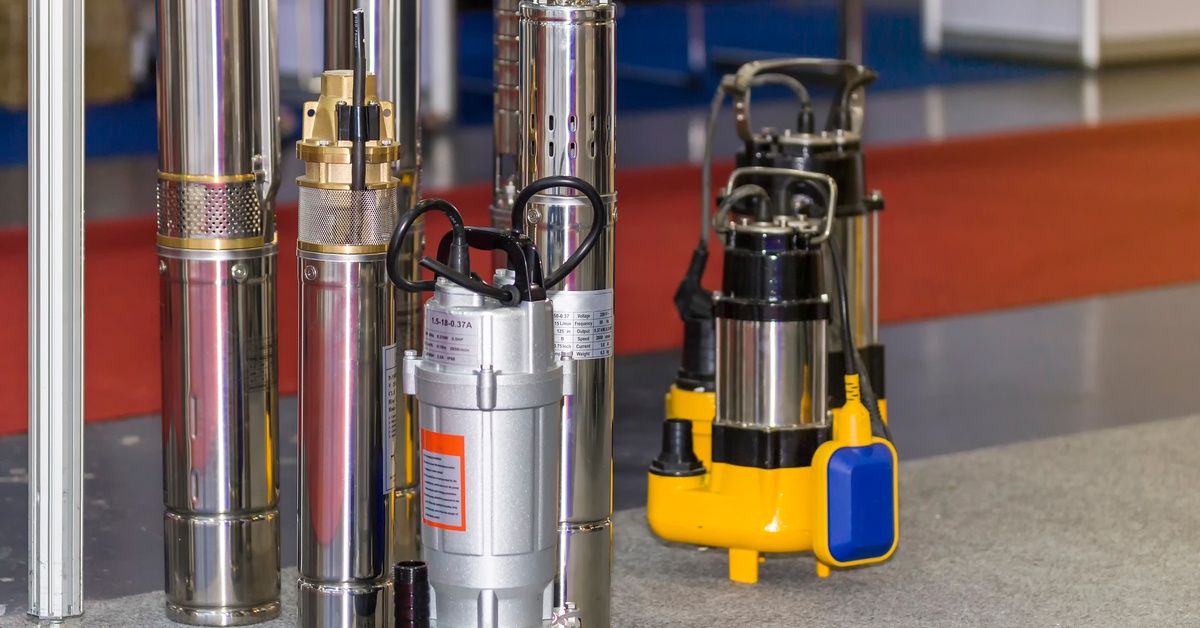
A segmented rotor valve divides the rotor into removable sections that set pocket volumes, making sanitation and changeover easier. Operators can swap segments to adjust feed rates without replacing the entire rotor, enabling precise, flexible control over material dosing.
Common Uses
Pharmaceutical, nutraceutical, and fine chemical production lines use segmented rotor valves to meter materials accurately and support validated cleaning. They are also ideal for specialty plastic compounding and masterbatch dosing, where repeatable shots and fast rotor changeovers improve efficiency and consistency.
Advantages
Segmented designs provide highly accurate flow control with adjustable capacity steps. This configuration simplifies cleaning because segments can be quickly removed and inspected. Additionally, validation teams can document repeatable pocket volumes with minimal downtime, supporting regulatory compliance and consistent production quality.
Multi-Chamber Rotary Valve
A multi-chamber rotary valve routes product among several inlets or outlets using an internal rotor that indexes between discrete ports. The body divides into isolated paths that keep products separate. Proper sequencing prevents cross-contact during changeovers.
Common Uses
Multi-chamber rotary valves are commonly used in batch plants to direct powders to different mixers, scales, or process lines. They are especially valuable in operations that run multiple recipes on a single line, as they reduce the number of separate valves and pipe transitions needed while keeping materials separate.
Advantages
The design of a multi-chamber rotary valve allows a single valve body to handle multiple product paths, saving space and simplifying piping layouts. The isolated chambers reduce the risk of cross-contamination when switching products, and coordinated indexing ensures continuous material flow without frequent disassembly or manual intervention.
Pneumatically Actuated Rotary Valve
A pneumatically actuated rotary valve uses a compressed-air actuator to drive the shaft for on/off or indexed motion. Controls tie the actuator to a PLC for interlocks, speed commands, and position feedback. The actuator hardware supports fast cycles and clear fail positions.
Common Uses
Plants in hazardous areas use air actuation to avoid electrical ignition sources. Remote or elevated locations benefit from pneumatic drives because air lines are easy to route and withstand harsh environments.
Advantages
Pneumatic actuation provides a quick, responsive method for controlling valve operation while enabling tight integration with automated systems. Maintenance crews can service the actuators safely without specialized electrical permits, making routine work faster and simpler.
High-Temperature Rotary Valve
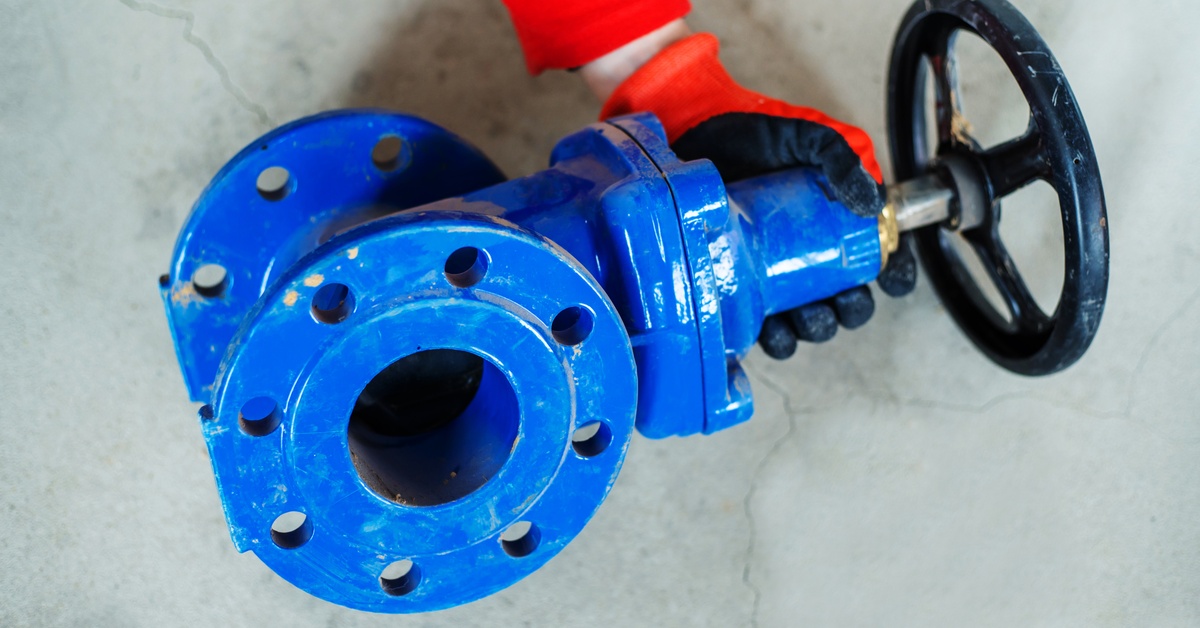
A high-temperature rotary valve uses heat-resistant alloys, high-temp seals, and bearings that tolerate thermal expansion. Designers size clearances for elevated service while protecting drives and gearboxes from heat soak. Optional jackets stabilize temperatures for sensitive products.
Common Uses
Cement kiln dust, fly ash, hot sand, and calcined minerals require high-temperature builds. Plants also deploy these valves on hot gas loops and thermal process outlets.
Advantages
Proper materials and clearances protect mechanical parts and maintain feed stability at elevated temperatures. Seals and bearings withstand thermal stress. Teams reduce unplanned stops when heat cycles hit full load.
Shop for Reliable Valves
Clark Cooper is a rotary valve supplier that manufactures valves for various industries and applications. With a wide selection of durable designs, you can find the right valve to match your material, pressure, and temperature requirements. Choosing the right rotary valve helps protect product quality, improve process efficiency, and reduce downtime. Partner with a trusted supplier to keep your operations running smoothly.
Leave a Reply