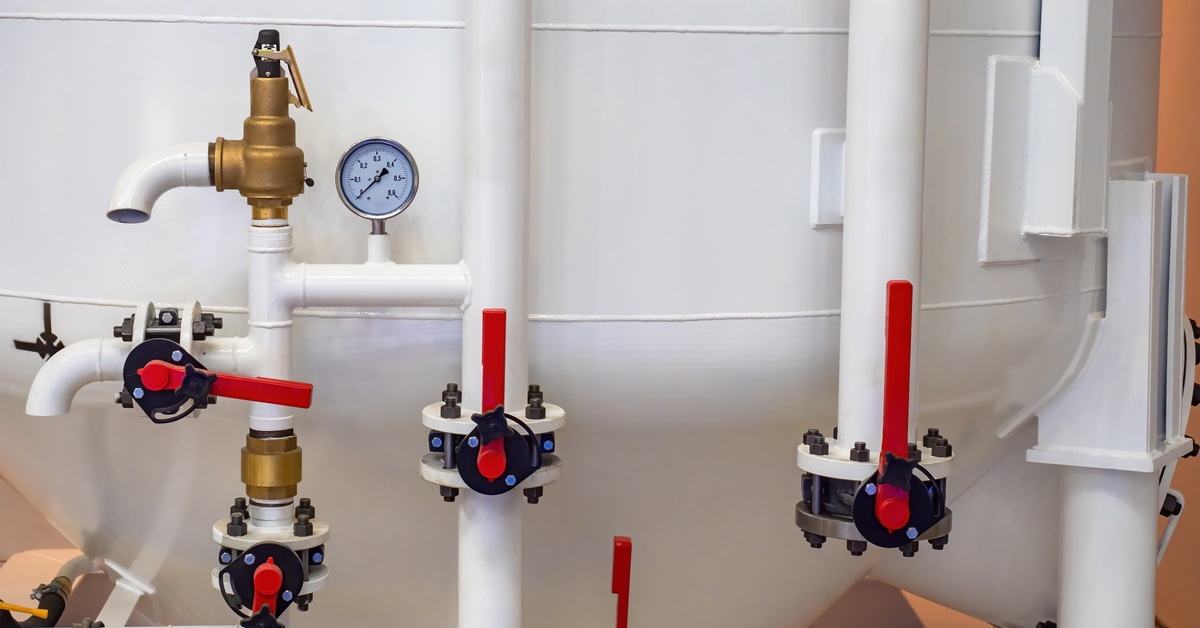
Marine systems operate under heat, vibration, and high pressure, and even small failures can escalate quickly. A ruptured hose, a compromised intake, or a leaking fuel line can flood compartments, spray fuel, and fill the engine room with smoke in seconds. Alarms sound, and crews have only moments to act before damage spreads.
In these situations, controlling the source of the problem immediately is critical, and emergency marine trip valves provide the decisive isolation needed to protect the vessel, its systems, and its crew. Mariners who understand the importance of emergency marine trip valves treat these devices as nonnegotiable safeguards, not afterthoughts.
What Is an Emergency Marine Trip Valve?
An emergency marine trip valve stops a moving fluid instantly during an abnormal event. Designers connect these valves to fuel lines, seawater intakes, lube oil circuits, and hydraulics so the system isolates the problem area before it spreads.
Crews can trigger trip valves manually, remotely, or automatically via interlocks tied to alarms, pressure switches, or power-loss conditions. The device differs from a standard shutoff valve in that it prioritizes speed, accessibility, and one-motion actuation under stress. Shipyards place these valves near tanks, intakes, and other high-consequence points.
Marine systems run under heat, vibration, and tight spacing. Failures can quickly lead to flooding, fire, engine loss, or environmental damage when vessels are far from shore-based assistance. Trip valves interrupt that escalation by limiting the scope of a single failure before it cascades across compartments.
Why Emergency Trip Valves Matter
Rapid Flooding Prevention
Flooding often begins with a failed seawater hose, a cracked strainer lid, or an impact-damaged intake line. Bilge pumps can remove water, but a compromised intake continues feeding the space at rates that overwhelm pump capacity.
Trip valves positioned close to the intake allow crews to shut the line and stop the source, giving bilge systems time to recover and stabilize the compartment. What starts as uncontrolled ingress becomes a managed event that preserves buoyancy, electrical integrity, and hull survivability.
Protection of Engines and Critical Equipment
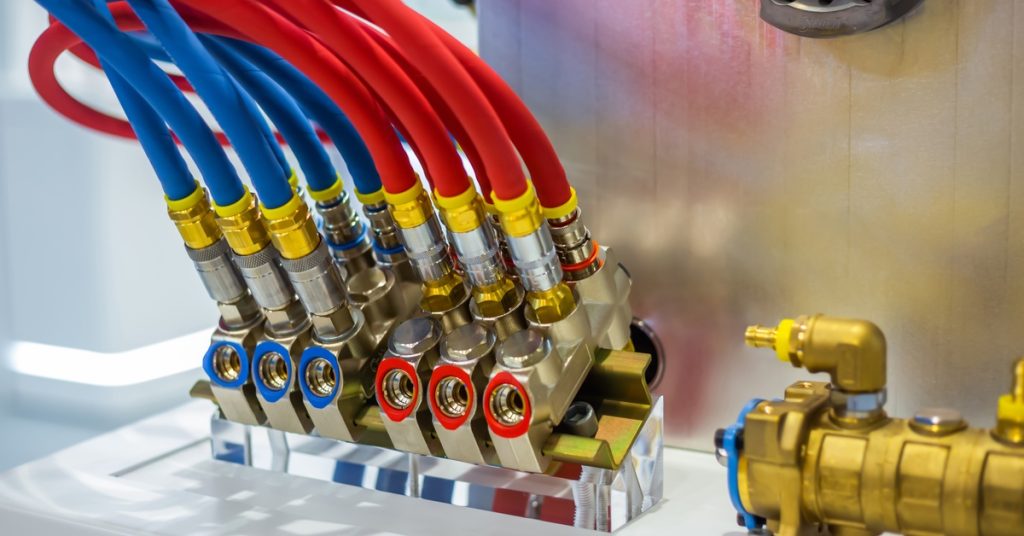
Engines and gear need a steady flow of cooling water, lube oil, and hydraulic fluid. When a pump cavitates or a cooler ruptures, components run dry, overheat, or seize, and repair costs spike.
Trip valves let crews isolate a failed circuit while keeping the rest of the plant intact, which prevents damage from spreading to turbos, bearings, or control valves. Contained failures typically lead to targeted repairs and minimal schedule impacts, while uncontrolled damage can escalate to a full engine replacement, weeks off charter, and a painful invoice.
Fuel Leak and Fire Risk Reduction
Fuel systems operate under pressure, and fine sprays ignite easily on hot surfaces or electrical arcs. When a line fails, fuel can coat lagging and deck plates in seconds, exposing crews and equipment to rapid flame spread and dense smoke.
Trip valves cut off the fuel supply at the source, reducing the available fuel load and starving a fire before it gains momentum. Tracing a leak during an active emergency wastes critical time, which makes clearly marked, quick-acting trip points essential.
Support for Emergency Shutdown Procedures
Emergencies demand clear checklists and direct actions that crews can execute without hesitation. Trip valves deliver one-motion control that aligns with E-stop procedures and remote pull-rod locations that crews can reach under smoke or heat.
Moreover, clear labels and unobstructed paths are essential so that you can find the correct handle without hesitation. Straightforward valve layouts reduce decision load and speed up response across the team.
Environmental Spill Prevention
Fuel and oil that escape into bilges or overboard harm marine life and trigger investigations, fines, and cleanup bills. A ruptured transfer hose or a cooler breach can push a mess through a discharge path before someone notices. However, trip valves close off the supply or divert flow to a safe tank, limiting the volume and preventing oily water from entering the sea. Operators who build strong isolation points demonstrate environmental responsibility and reduce reputational risk.
Crew Safety and Injury Prevention
Emergency marine trip valves are also important because they can help prevent injuries and accidents on board. These valves automatically close off the supply or divert the flow during emergencies, such as a fire or explosion.
Additionally, engine rooms pose challenges for crews due to heat, noise, fumes, and cramped access, and emergency conditions compound those hazards. Trip valves reduce exposure time by enabling teams to shut off the source quickly before the space fills with smoke or vapor.
Compliance With Marine Safety Standards
Regulators and classification societies expect emergency isolation capability for fuel, seawater, and oil systems. During an inspection, experts look for accessible trip points, clear labeling, and evidence that crews test and maintain these valves on schedule.
A documented valve plan demonstrates risk awareness and readiness, supporting smooth audits and fewer corrective actions. Meeting these expectations starts at the specification stage. Work with a trusted marine valve manufacturer to select materials, actuation methods, and certifications that align with the vessel profile and inspection requirements.
Reduced Downtime and Repair Costs
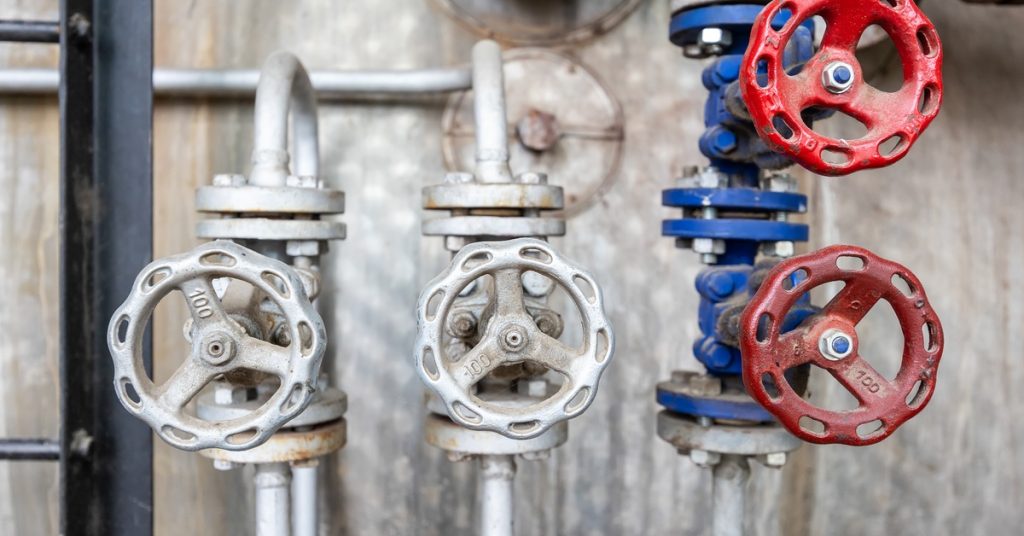
Fast isolation prevents damage from spreading beyond the initial failure point. When crews trap a fault early, they protect electrical panels, insulation, and rotating machinery from secondary damage and avoid unnecessary teardown.
Smaller damage scopes shorten yard periods, simplify parts lists, and speed repairs. Commercial vessels return to service faster when a single failure remains a single failure rather than triggering a system-wide shutdown.
Where Emergency Marine Trip Valves Are Most Critical
Emergency trip valves are integral to shipboard safety systems, providing instantaneous isolation of fluid systems during catastrophic failures or fire events. Strategically placing these measures to contain hazardous fuel or flooding sources protects both the vessel’s structural integrity and its propulsion systems.
The following applications represent the most critical deployment areas for emergency marine trip valves:
- Fuel supply lines: Trip valves cut off pressurized diesel to engines and generators, reducing fire potential and controlling leaks during transfer or operation.
- Seawater intakes: Quick closures stop uncontrolled ingress from failed hoses, strainers, or hull valves, giving bilge systems a chance to recover.
- Ballast systems: Isolation at branch points prevents unintended transfers that affect stability and draft when damage or valve faults occur.
- Lubrication and hydraulic lines: Rapid shutoff prevents oil loss and contamination to bearings, gears, steering gear, and winches.
Partner With Valve Manufacturers
Emergency marine trip valves are essential for preventing flooding, fire, and equipment damage, keeping crews safe and vessels operational. By isolating failures quickly, they turn potential disasters into manageable events.
Clark Cooper’s marine trip valves are built with rugged materials like B61 naval bronze and Monel to handle seawater, bilge water, fuel, steam, and other demanding onboard fluids, and they meet military shock and vibration standards for reliable performance in harsh marine environments. Equip your vessel with quality valves so you can prevent damage, protect your crew, and keep operations running smoothly.
Leave a Reply