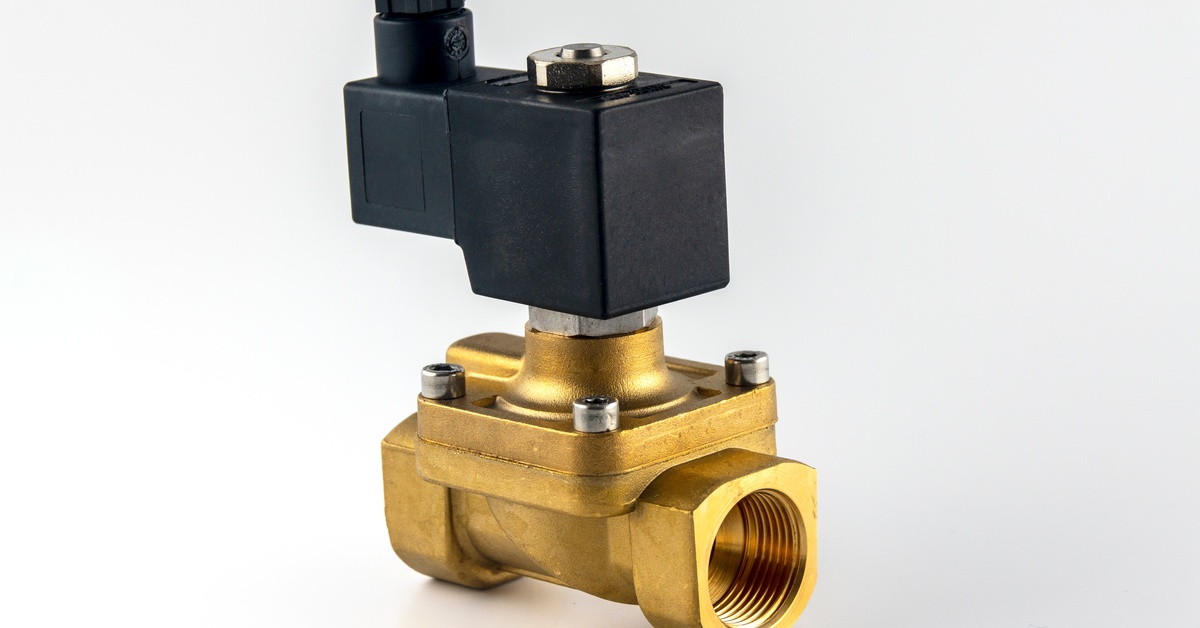
Marine environments create a demanding operating space for industrial equipment. Constant exposure to saltwater, high humidity, pressure fluctuations, and ongoing vibration accelerates wear across system components.
Environmental challenges make maintenance more than a routine task. Teams must take a structured, proactive approach to prevent performance issues before they occur. Our guide explains how to maintain solenoid valves in marine environments.
Prevent Corrosion with Proper Material Selection
Corrosion remains one of the most persistent issues in marine systems because saltwater exposure quickly degrades materials that lack adequate resistance. Once corrosion begins, it spreads across surfaces and weakens both internal and external components.
Selecting corrosion-resistant materials significantly reduces this risk. Stainless steel offers strong resistance to rust and corrosion, while specialized coatings provide an additional layer of protection. These materials maintain structural integrity even under harsh conditions, supporting long-term performance.
Material selection also impacts maintenance frequency. When valves resist corrosion effectively, teams spend less time addressing damage and more time focusing on system performance. This approach creates a more reliable and cost-effective operation over time.
Implement Routine Inspection Schedules
Routine inspections help teams catch wear before it affects performance. Marine environments accelerate deterioration, so teams must check valves consistently rather than wait for failure. A structured inspection routine improves reliability and reduces unplanned downtime.
Focus on Critical Components
Teams should inspect seals for cracking, hardening, or deformation caused by salt exposure. Internal surfaces should remain smooth to maintain proper sealing. Even minor damage can lead to leakage or pressure loss if left unaddressed.
Electrical components also require close attention. Corrosion on connectors, frayed wiring, or coil discoloration can signal reduced performance. Verifying coil function during inspections helps ensure consistent actuation.
Check Movement and Buildup
Salt deposits and debris can restrict internal movement. Teams should inspect passages and moving parts for buildup that may slow response time. Cleaning these areas helps maintain smooth operation.
Valve movement should remain consistent during testing. Sticking or delayed response often points to wear or contamination that requires immediate attention.
Protect Valves from Saltwater Exposure
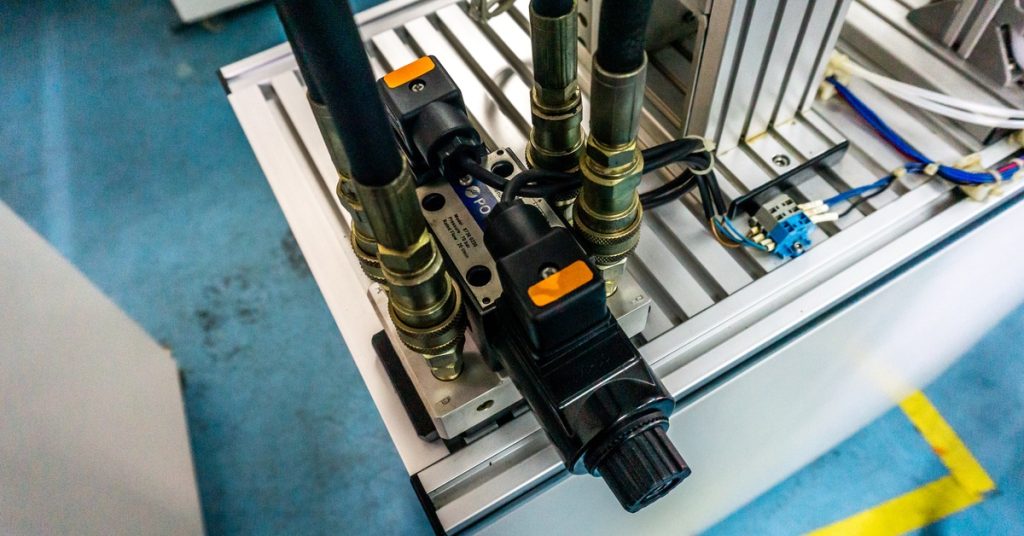
Saltwater exposure affects more than just visible surfaces. Moisture and salt particles can enter through small openings and begin to damage internal components. Over time, this exposure reduces efficiency and increases the risk of failure.
Protective enclosures help create a barrier between the valve and harsh conditions. These enclosures limit direct contact with salt spray and reduce moisture buildup. In addition, placing valves in less exposed locations can further reduce environmental stress.
Reducing exposure does not eliminate the need for maintenance, but it slows the rate of deterioration. When valves have less direct contact with corrosive elements, they perform more consistently and require fewer repairs.
Clean and Remove Salt Deposits Regularly
Salt deposits accumulate gradually and interfere with normal valve function. These deposits can restrict movement, damage sealing surfaces, and reduce responsiveness. If teams allow buildup to continue, performance declines, and maintenance becomes more complex.
Regular cleaning removes these deposits before they cause damage. Teams should use methods that effectively eliminate buildup while protecting internal components. Gentle, consistent cleaning ensures that valves continue to operate smoothly.
Cleaning also supports long-term reliability. When components remain free of buildup, they experience less stress during operation. This reduces wear and extends the valve’s service life.
Monitor Electrical Connections and Coil Performance
Electrical performance plays a direct role in how reliably a solenoid valve operates. In marine environments, moisture can corrode wiring and connectors over time, weakening signal strength and causing inconsistent actuation. When that happens, valves may respond slowly or fail to open and close as expected.
Routine maintenance should include a close look at electrical components. Teams should check for corrosion, loose connections, and early signs of wear, since these issues often develop gradually. Identifying them early allows for quick fixes that prevent larger failures.
Consistent electrical performance ensures the valve responds accurately under changing system conditions. As pressure and flow fluctuate, reliable actuation keeps the system stable and prevents unnecessary disruptions.
Use Proper Seals and Gaskets for Marine Conditions
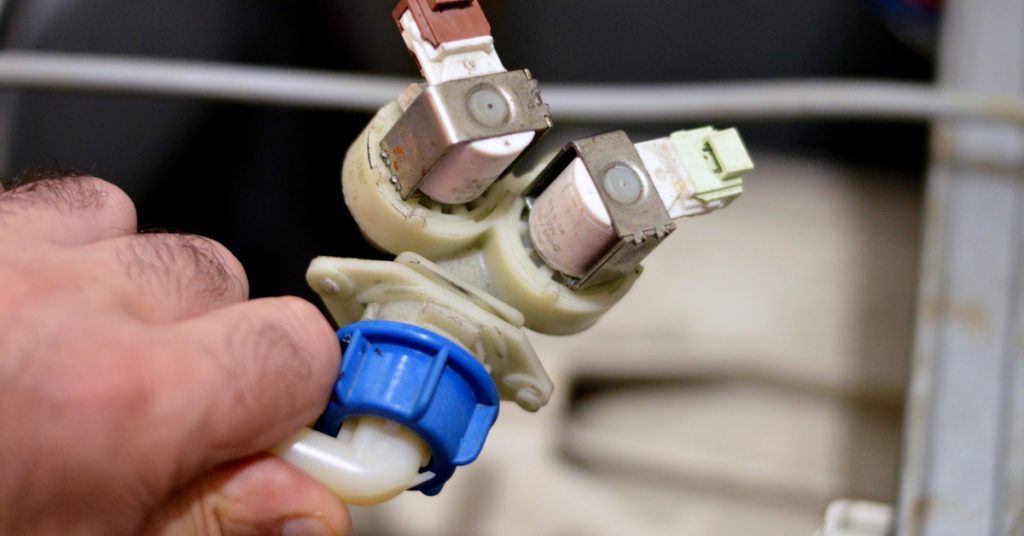
Seals and gaskets are constantly exposed to moisture and pressure in marine systems, making them among the first components to wear out. When materials begin to degrade, valves can lose their ability to maintain a tight seal, leading to leaks or inconsistent pressure control.
Using marine-grade materials helps prevent these issues. These seals resist swelling, cracking, and deformation caused by salt exposure and temperature fluctuations, allowing them to maintain a reliable seal over time. This stability becomes especially important in high-pressure applications where even small leaks can affect performance.
Teams should also replace seals based on condition rather than waiting for failure. Early replacement prevents pressure loss, protects internal components, and keeps the valve operating as intended without introducing unnecessary risk to the system.
Ensure Proper Installation to Prevent Water Ingress
Installation quality plays a major role in long-term valve performance. When a valve is installed incorrectly, even minor gaps or misalignment can allow water to enter sensitive areas and cause internal damage over time.
Focusing on proper orientation and secure sealing during installation helps prevent moisture from reaching critical components. With a correct setup, valves experience far less exposure to damaging elements.
Strong installation practices also reduce ongoing maintenance needs. When valves are mounted securely and positioned correctly from the start, the system runs more consistently and requires fewer corrective adjustments later.
Test Valve Function Under Real Operating Conditions
Testing ensures that valves perform correctly under actual system demands. Marine systems often experience fluctuating pressure and flow, which can impact valve behavior. Regular testing confirms that valves respond as expected.
Functional tests also reveal issues that may not appear during inspections. Slow response times or inconsistent operation can signal internal wear. Identifying these issues early allows teams to take corrective action before performance declines.
Why It Matters
Consistent testing builds confidence in system reliability. When teams verify performance under real conditions, they reduce uncertainty and improve overall operational stability.
Address Wear from Vibration and Motion
Another tip for maintaining solenoid valves in marine environments is to address vibration-induced wear. Over time, this motion can place stress on valve components and loosen connections. If teams do not address this wear, it can lead to premature failure.
Proper mounting helps reduce vibration. Securing valves in place minimizes movement and protects internal components from stress. Regular checks ensure that mounting points remain stable over time.
Addressing vibration-related wear supports long-term performance. When valves remain secure, they operate more consistently and require fewer repairs.
Partner with High-Pressure Valve Specialists
Marine applications require valves that can handle demanding conditions without compromise. High pressure, exposure to harsh elements, and the need for consistent performance all place added demands on valve design. Not all solutions can meet these requirements.
Clark Cooper sells reverse osmosis valve designed for marine environments and challenging conditions. Our focus on durable materials and precision engineering supports long-term reliability in high-pressure systems. Choosing the right valve partner helps ensure consistent performance and gives teams confidence that their systems will operate reliably.
Leave a Reply