
Selecting the wrong valve can compromise system efficiency, lead to pressure drops, and increase maintenance costs. Even a slight flow restriction can create big problems. Ball valves are commonly used in piping systems; however, not all of them function in the same way. Reduced and full-port designs affect flow, pressure, and overall system performance in significantly different ways. This guide explains the difference between full-port and reduced-port valves to help you determine which valve is best suited for your system.
What Are Reduced Port Valves?
A reduced port valve, also known as a standard port valve, has an internal bore diameter that is smaller than the inner diameter of the connecting pipe. This design creates a narrower path for the fluid to pass through the valve body. Typically, the bore is one pipe size smaller than the nominal pipe size, creating a deliberate restriction in the flow path.
Advantages
Reduced port valves use less material in their construction, making them less expensive to manufacture and purchase compared to their full-port counterparts. Their smaller size makes them lighter and easier to install, often reducing the need for additional pipe supports.
Limitations
Usually, the main limitation of a reduced port valve is the pressure drop it introduces into the system. As fluid passes through the restricted opening, its velocity increases, and pressure decreases on the downstream side. This restriction makes them unsuitable for applications where maintaining maximum flow rate and minimal pressure loss are top priorities.
Common Applications
The typical applications for reduced port valves include general industrial use, water supply lines, and other non-critical systems where a slight flow restriction is acceptable. They often serve systems that prioritize cost efficiency and compact size over precise throttling or control. Examples include HVAC systems, irrigation networks, and utility pipelines that handle clean fluids under moderate pressure.
What Are Full-Port Valves?
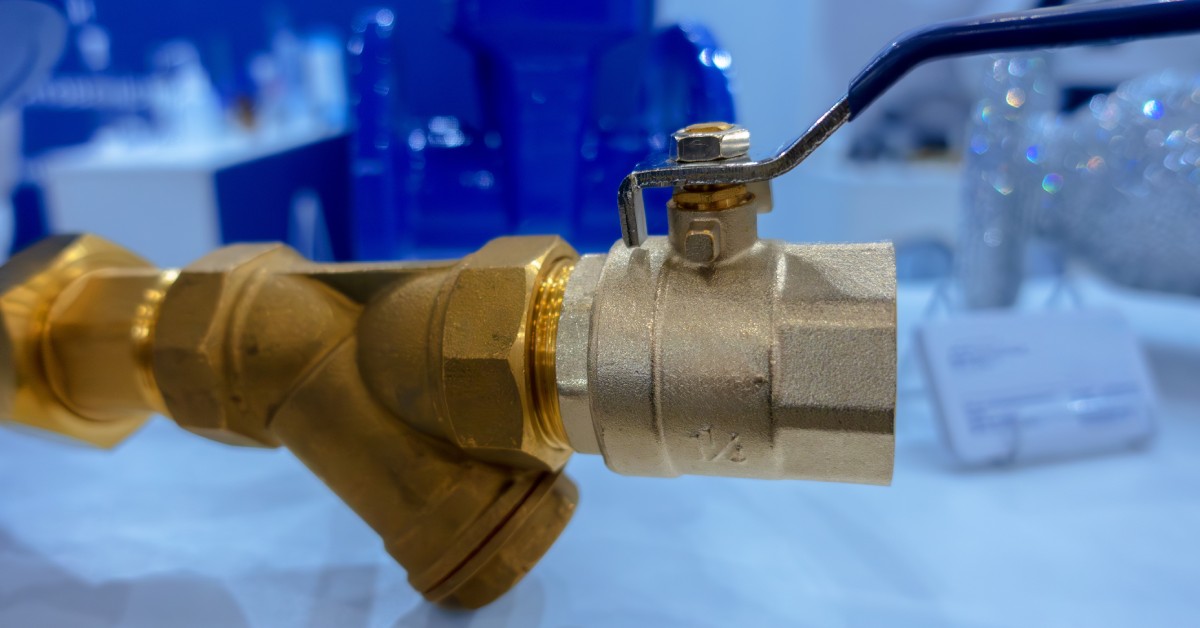
A full-port valve, also known as a full-bore valve, features an internal bore that matches the inner diameter of the connecting pipe. This design means the fluid flows through the valve without any reduction in the flow area. There is no “bottleneck,” so the flow path remains straight and unobstructed when you fully open the valve.
Advances
A key benefit of a full-port valve is its high flow coefficient (Cv), which minimizes the pressure drop across the valve. This characteristic is vital for systems that require maximum flow capacity to operate efficiently.
Limitations
The downside of full-port valves is their higher cost, as they require more material to construct and have a larger overall body size than reduced-port valves. Their increased size and weight can also complicate installation, sometimes requiring more robust pipe supports to handle the additional load.
Common Applications
A full-port valve is particularly well-suited for handling viscous fluids, slurries, or systems that may contain solids, as the unrestricted opening reduces the risk of clogging. You’ll often find full-port valves in high-flow systems, oil and gas pipelines, and chemical processing plants, as well as in any application where minimizing pressure loss is a primary design consideration. Experts also use them in sanitary systems, such as food processing, pharmaceuticals, and biotech, where a clear flow path ensures hygiene and efficiency.
The Key Differences Between the Two
Knowing the difference between reduced-port and full-port valves helps you determine which one to purchase. Below, we’ve outlined the details of each in a side-by-side comparison.
Flow Capacity
Flow capacity is the most obvious differentiator; a full-port valve allows for unrestricted flow, while a reduced-port valve creates a pressure drop. This distinction directly affects the operational efficiency of the system. If your application can’t tolerate any loss in flow, a complete port valve is the clear choice.
Price
The initial purchase price of a reduced port valve is lower due to its smaller size and reduced material usage. A full-port valve may cost more upfront but offers better long-term operational efficiency in systems where flow is critical, potentially offsetting the initial investment. Always weigh the upfront savings against the potential for increased energy consumption from pumps working harder to overcome pressure drops.
Installation and Maintenance

Reduced port valves are generally lighter and more compact, simplifying handling and installation. Full-port valves are heavier and bulkier, which may necessitate additional structural support for the piping. The difference in design can also affect wear. The higher velocity through a reduced port can sometimes lead to more erosion over time, especially with abrasive fluids.
Which Valve Is Best for Your System?
Selecting the right valve involves a careful assessment of your system’s unique requirements. There is no one-size-fits-all answer; the optimal choice depends on striking a balance between performance needs and budget constraints. Before making a decision, consider the following factors.
Evaluate Flow Requirements
Do you need to maintain the maximum possible flow rate with minimal pressure loss? If the answer is yes, as is often the case in processes such as pipeline transport or specific chemical reactions, a full-port valve is the correct choice. If a slight pressure drop is tolerable and won’t negatively impact system performance, a reduced port valve may suffice.
Consider the System’s Operating Pressure
Full-port valves are better suited for high-viscosity fluids, slurries, or media containing particulates, as they reduce the risk of blockage. A reduced port valve often performs adequately for clean, low-viscosity fluids, such as water in a general utility line.
Budget constraints are always a practical consideration, but they shouldn’t be the only one; balancing initial cost with long-term operational efficiency is crucial. Consider what’s best for your bottom line throughout the entire lifecycle of the valve.
Buy Quality Valves
Investing in high-quality valves ensures reliability, safety, and long-term performance. When selecting valves, prioritize materials that resist corrosion, wear, and temperature fluctuations. Certified valves that meet industry standards (such as ANSI, API, or ISO) provide added assurance of quality. Inspect the manufacturing precision, including smooth operation, tight seals, and consistent bore dimensions.
Consider reputable brands or suppliers with a track record of reliability and support. Remember, a slightly higher upfront cost for quality valves often saves money by reducing maintenance, downtime, and the frequency of replacements over the life of your system.
Contact Us
Maximize your system’s reliability with Clark Cooper’s high-pressure solenoid valves. Our full and reduced port options combine precision, durability, and efficiency. Partner with experts who understand your needs and ensure you get the right valve for every application.
Leave a Reply