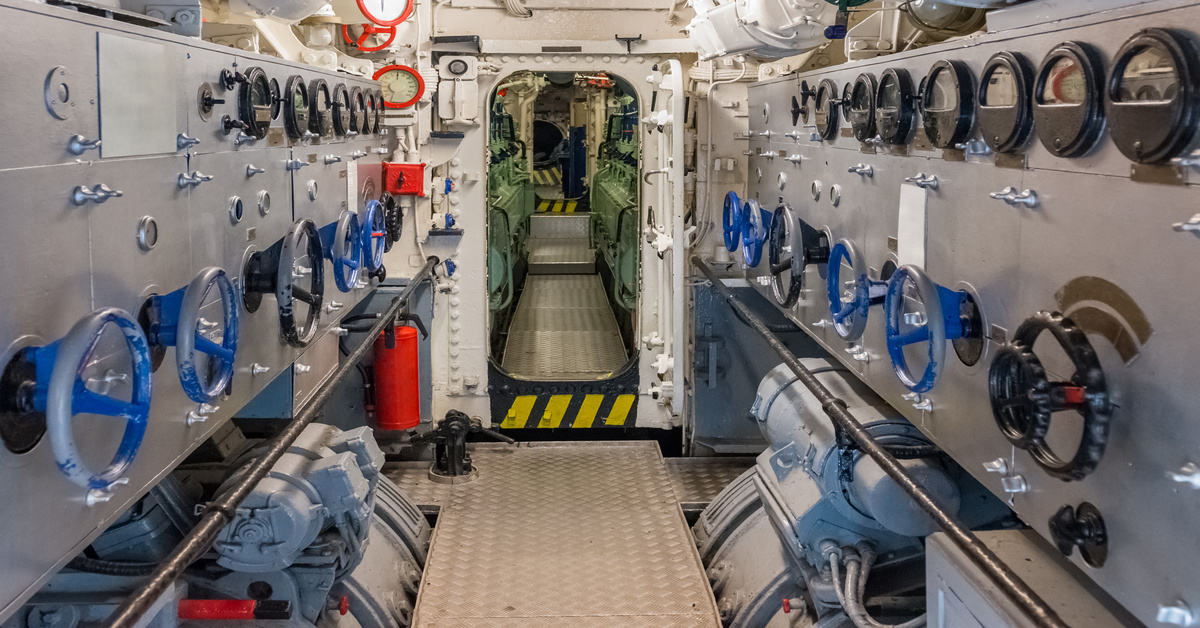
Valves are fundamental components in marine engineering, acting as the control points for countless fluid and gas systems aboard a vessel. Ships rely on diverse valves, each designed to serve specific functions, from controlling engine cooling circuits to shutting off fuel lines when needed. This article provides a complete guide to marine valve types and their applications on commercial, industrial, and naval vessels.
Gate Valves
Gate valves are linear motion valves that use a flat gate, or “knife,” that slides into the flow stream to stop it. They work best for fully open or fully closed service and do not suit throttling flow. Attempting to regulate flow with a gate valve can cause vibration and excessive wear on the gate and seat.
Their Application
Generally, on board a ship, you’ll find gate valves in:
- Main seawater intake and discharge lines
- Ballast water routing systems
- Firefighting mains
These applications require dependable, straightforward isolation rather than precise flow modulation. Additionally, a gate valve’s simple design and low pressure drop when fully open make it a reliable choice.
Globe Valves
Manufacturers design globe valves for throttling and precise flow control. Their internal design features a baffle that creates a chamber and a movable disc (or plug) that seals against a seat within that chamber. This arrangement allows for precise regulation of the fluid passing through. As a result, you’ll typically find globe valves in systems that require careful control of flow rates.
Their Application
Marine applications include:
- Regulating cooling water in engine rooms
- Controlling fuel oil and lube oil circulation
- Managing steam service lines on tankers or ships with auxiliary boilers
Although globe valves provide excellent flow control, this design inherently results in a higher pressure drop than a fully open gate valve.
Ball Valves
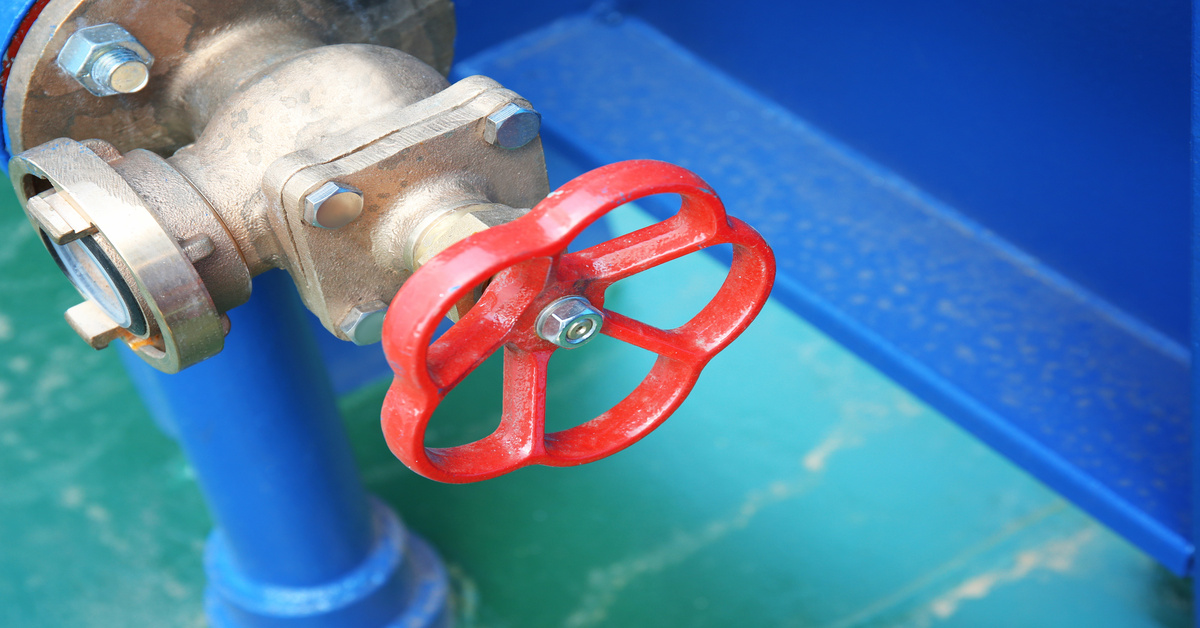
Ball valves are quarter-turn valves that use a rotating, bored ball to control flow. A simple 90-degree turn of the handle or actuator can move the valve from fully open to fully closed, enabling fast operation. When open, the ball’s bore aligns with the pipe, resulting in minimal flow resistance.
Their Application
The quick action and tight shutoff capability of ball valves make them suitable for a variety of marine applications. Common applications include:
- Bilge transfer lines
- Fuel oil loading and unloading systems
- Remote manifold controls on cargo vessels
Their compact design and low torque requirements are advantageous, but they are generally not ideal for fine throttling.
Butterfly Valves
Butterfly valves are next in our guide to marine valves and their applications. This is another type of quarter-turn valve, characterized by a rotating disc mounted on a rod inside the pipe. However, unlike ball valves that provide full-bore flow, butterfly valves keep a disc in the flow path. This can introduce slight pressure losses but allows for a much lighter and more compact design.
Their Application
On marine vessels, engineers frequently install butterfly valves in:
- HVAC chill water systems
- Ballast and cargo water-handling lines
- Some engine-room seawater intakes
Moreover, butterfly valves are handy where space and weight are limited, and a quick shutoff is needed.
Check (Non-Return) Valves
Check valves, also known as non-return valves, allow flow in only one direction. They operate automatically, without any external actuation, using swing, lift, or spring-loaded mechanisms that open with forward flow and close against reverse flow. Their primary purpose is to prevent backflow that could damage pumps, contaminate systems, or cause flooding.
Their Application
Marine applications for check valves are extensive and include:
- Bilge discharge lines prevent seawater from flowing back into the ship
- Cooling water outlet lines from heat exchangers
- Fuel transfer systems to stop back-siphoning
Regular inspection is necessary to confirm they don’t stick open or closed, which would compromise their function.
Relief and Safety Valves
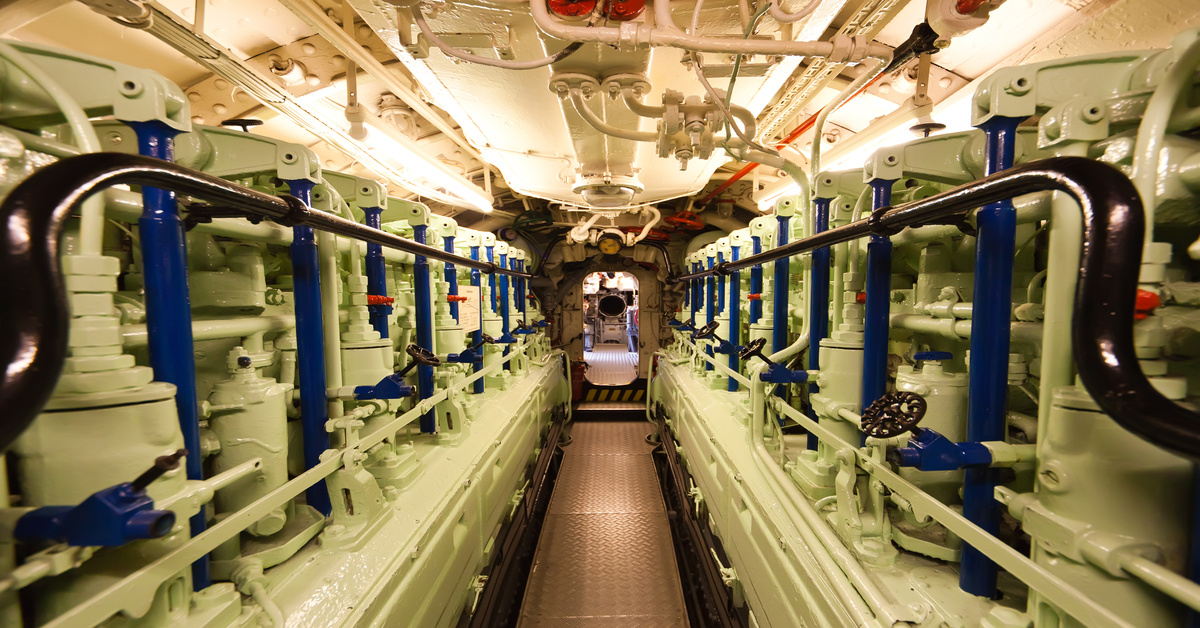
Relief and safety valves are essential components that guard pressurized systems against dangerous overloads. They open at a set point, releasing excess fluid or gas to a safe location until the system returns to normal conditions. Marine safety regulations mandate their use on many systems.
Their Application
These valves are indispensable for protecting steam boilers, air compressors, and hydraulic power units. Qualified personnel routinely calibrate and test relief and safety valves to ensure they operate accurately and reliably. Failure of a safety valve can lead to catastrophic equipment failure.
Strainer Valves
Strainer valves are mechanical filtration devices integrated into a valve body. Their function is to remove debris, sediment, and other solids from a fluid before it enters sensitive machinery. This protects pumps, heat exchangers, and intricate piping networks from damage and blockages.
Their Application
On ships, sea chest systems commonly use strainers to filter out marine growth and debris. Strainer valves also protect cooling water pumps, fire mains, and general service water lines.
Diaphragm Valves
Diaphragm valves use a flexible diaphragm to isolate the fluid from the rest of the valve’s internal components. This design effectively handles corrosive fluids, slurries, and contaminated media by keeping the operating mechanism out of the fluid.
Their Application
A diaphragm valve’s excellent sealing properties and low maintenance needs make it suitable for specific marine applications. You might find them in:
- Chemical dosing systems on cargo ships
- Blackwater and greywater treatment lines
- Some low-pressure seawater circuits
Moreover, diaphragm valves are generally limited to low- to medium-pressure applications due to constraints on the diaphragm’s material.
Solenoid-Operated Valves
Solenoid-operated valves use an electromagnetic coil to actuate the valve, allowing engineers to control flow automatically or remotely. When energized, the solenoid generates a magnetic field that moves a plunger or armature, opening or closing the valve. This design allows shipboard automation and monitoring systems to seamlessly integrate with the valves.
Their Application
Marine engineers use these valves in fuel systems that require precise or timed flow, in cooling water systems connected to automated controls, and in bilge or ballast management systems. Operators also rely on them in reverse osmosis desalination units. To function reliably, these valves need a stable electrical supply and proper protection for the electrical components.
Buy Military Valves
A deep understanding of valve types and their functions is crucial for ensuring the safety, efficiency, and reliability of marine vessels. Choosing the correct valve depends on specific operating conditions, fluid compatibility, pressure, temperature requirements, and regulatory mandates.
Clark Cooper is a marine valve supplier that provides high-quality, MIL-spec valves built for extreme naval and commercial marine environments. Work with our team to get reliable, custom valve solutions designed to keep your vessel operating safely and efficiently. With the right knowledge of marine valve types and applications, engineers can optimize system performance while maintaining compliance and safety.
Leave a Reply