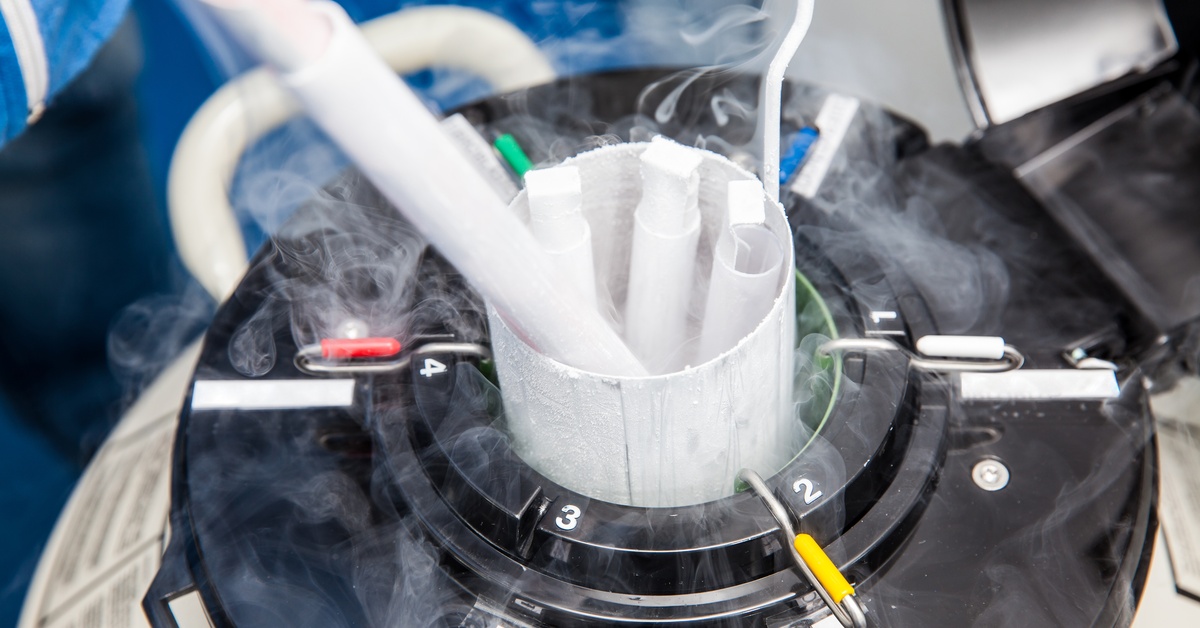
Cryogenics is the science of producing and handling materials at extremely low temperatures. Solenoid valves are crucial in these systems because they regulate the flow of super-cooled fluids, such as liquid nitrogen or helium. Working at these temperatures, which can dip below -150°C (-238°F), presents unique challenges, as standard materials can become brittle and seals can fail. This guide will walk you through the process of selecting the right solenoid valves for cryogenics to ensure your system remains safe and efficient.
Understand Your Cryogenic Fluid
Identify the specific cryogenic fluid your valve will handle, such as liquid nitrogen (LN2), helium (He), liquid oxygen (LOX), or liquid hydrogen (LH2). Each of these fluids has distinct physical and chemical properties that directly affect how a valve performs; select a valve designed for your specific use to prevent damage.
For example, some fluids, such as LOX, are highly reactive and require valves made from materials that are compatible with oxidizers to prevent corrosion and fire hazards. Others, like helium or hydrogen, have very low viscosities and high diffusion rates, which can make sealing more challenging.
Check Temperature Ratings
Manufacturers don’t build standard solenoid valves to withstand the extreme cold of cryogenic applications. At temperatures as low as -196°C (-320°F), the materials in standard valves can contract, weaken, or even crack. Such failures can lead to dangerous leaks and costly system downtime for your entire team.
Always verify the manufacturer’s specifications for the valve’s minimum operating temperature, ensuring it is well below the coldest temperature your system is likely to encounter. When you buy the valve, the manufacturer should list the temperatures the component can withstand in the product description. If the company offers custom valves, they should discuss the required temperature range with you to ensure the valve’s materials, seals, and design are fully compatible with your cryogenic application.
Material Considerations
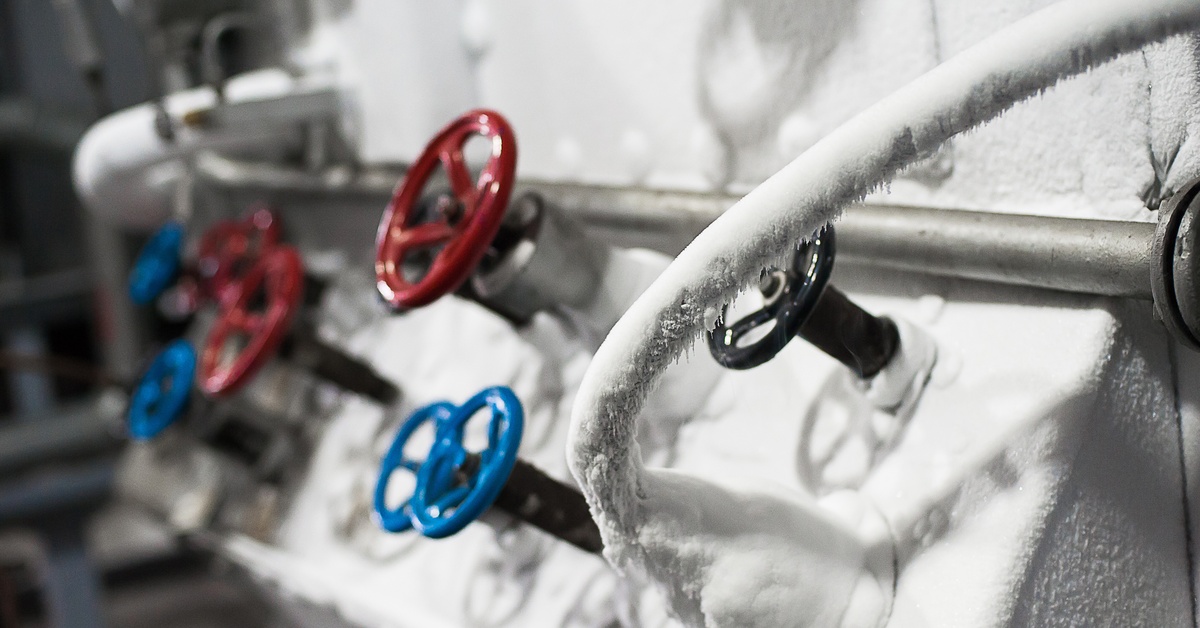
Another tip for selecting the right solenoid valves for cryogenics is to evaluate the materials used to construct the valve. Common metals and plastics lose their ductility at low temperatures and can shatter under pressure or thermal shock. Due to this, manufacturers typically create cryogenic valves using specific alloys that retain their strength and flexibility in freezing temperatures.
Some of the most commonly used materials include:
- Stainless steel (Austenitic 304 or 316): Offers excellent low-temperature toughness, corrosion resistance, and overall durability, making it the most widely used material for cryogenic applications.
- Brass: Engineers often select brass for certain cryogenic fluids and moderate-pressure applications, but they must verify compatibility with the specific fluid and operating conditions.
- Aluminum: Aluminum is lightweight and corrosion-resistant, making it suitable for specific cryogenic systems. However, at very low temperatures, it has lower mechanical strength than stainless steel.
Ensure you select materials that are structurally sound at low temperatures and chemically compatible with your cryogenic fluid to prevent corrosion or contamination.
Choosing the Right Seal
A valve’s seal prevents leaks, and in cryogenics, a leak is more than just inefficient—it’s a significant safety hazard. Frost buildup from a small leak can seize moving parts, and escaping gas can create an oxygen-deficient or explosive environment. Seals in cryogenic valves must remain flexible and effective even when subjected to extremely cold temperatures.
You have two main options: soft seals and metal-to-metal seals. Engineers often use soft seals made from materials such as Polytetrafluoroethylene (PTFE) or Polychlorotrifluoroethylene (PCTFE) because they maintain excellent sealing properties without becoming brittle, even at low temperatures. In ultra-high-purity or extremely low-temperature applications, designers employ precision-machined metal-to-metal seals to eliminate outgassing. Choose the right seal based on your system’s leakage tolerance and the type of cryogenic fluid you handle.
Valve Function and Configuration
You’ll need to choose the valve’s function based on your system’s operational needs. Solenoid valves are available in two primary states: normally closed (NC) and normally open (NO).
- Normally closed (NC): Remains shut until the coil energizes. This is a common fail-safe feature in cryogenic systems, as it automatically stops the flow if you lose power.
- Normally open (NO): Remains open until the coil has enough power, which can be useful for pressure relief or systems that require default flow.
Choose the Valve Configuration
Valves also come in different configurations, such as two-way and three-way:
- Two-way valve: Has one inlet and one outlet port for simple on/off control
- Three-way valve: Has three ports, allowing you to divert flow between two paths or mix fluids
Your choice of function and configuration directly affects your system’s safety protocols, operational logic, and efficiency.
Pressure and Flow Requirements
Correctly sizing your valve for pressure and flow is essential for performance. First, determine the maximum operating pressure your valve will experience, and then select a component with a pressure rating that exceeds this value.
Next, you need to calculate your required flow rate, which helps determine the necessary flow coefficient, or Cv, for your valve. The Cv value represents the amount of fluid that can pass through the valve at a given pressure drop.
Knowing the exact size you need prevents the issues that arise when the valve is too big or too small. An undersized valve will restrict flow and cause a pressure drop, which strains the system and can cause the cryogenic liquid to vaporize. An oversized valve can be less precise and more expensive. Calculating the correct Cv ensures smooth, stable control over your cryogenic fluid.
Power and Actuation Considerations
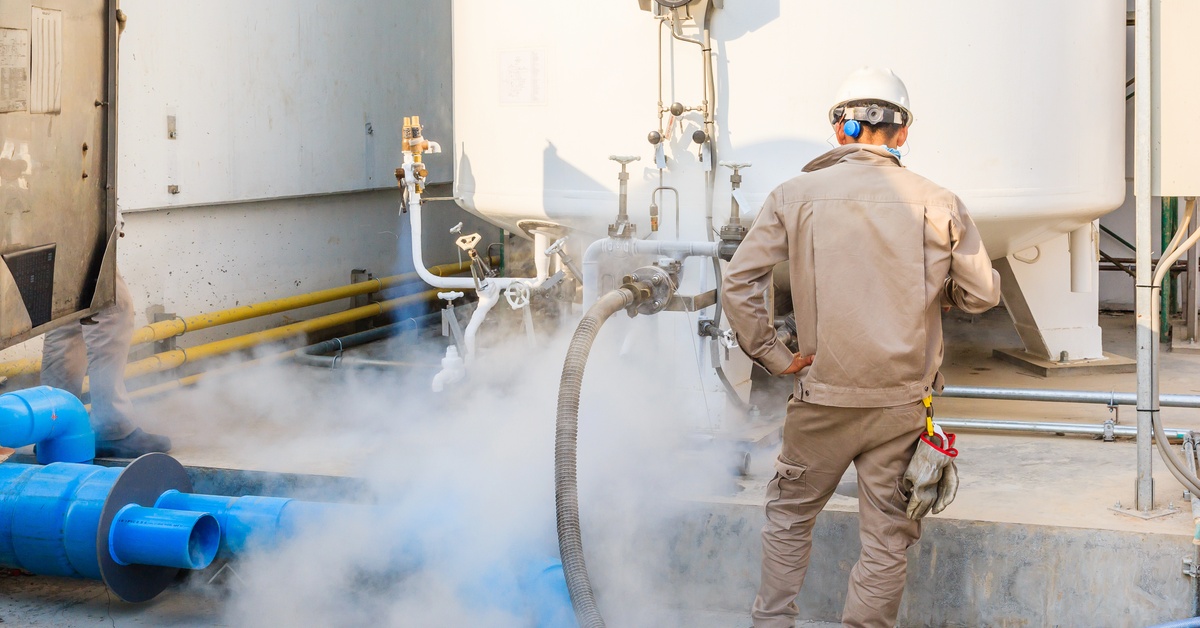
The coil that actuates the solenoid valve must be powerful enough to function reliably in a cryogenic environment. Low temperatures can increase the electrical resistance of the coil’s wiring, which may require more power to open or close the valve. Always verify the voltage and current requirements provided by the manufacturer.
You should also confirm that your power supply can meet the valve’s demands, even in the event of potential fluctuations. In some applications, response time is also a factor. If your process requires the valve to open or close almost instantly, look for specially made valves with a fast-acting coil and confirm its actuation speed in the manufacturer’s data sheet.
Buy Quality Valves
When you’re dealing with the complexities of cryogenic systems, it’s always best to buy your specialty valves from a supplier who specializes in this field. These manufacturers understand the nuances of various fluids, materials, and safety considerations, enabling them to guide you toward the ideal product for your specific application.
Clark Cooper specializes in making solenoid valves for various industries with advanced applications. With over a century of expertise, you can count on us for solenoid valves that you can count on for all your cryogenic needs. Contact our team today to learn more about our valves or to discuss specialty options.
Leave a Reply